
What's Happening?
UnitedHealth Group CEO Stephen Hemsley has announced that the company will rebate profits from its Affordable Care Act (ACA) plans back to consumers. This announcement was made in prepared testimony for a hearing
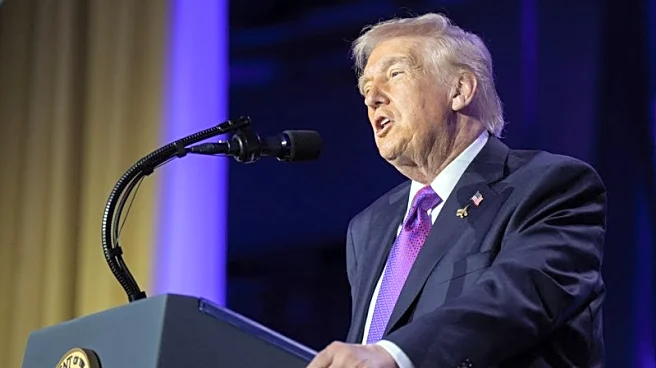
before the House Energy & Commerce Committee's Health Subcommittee. The hearing is part of a broader examination of healthcare affordability, with several leaders from major health plans, including CVS Health, Elevance Health, Cigna, and Ascendiun, also participating. The move comes in the wake of the expiration of enhanced subsidies, which has led to increased premiums for many individuals with ACA coverage. President Trump has criticized the insurance industry, suggesting that they profit at the expense of patients, and has introduced his own 'Great Healthcare Plan'. Hemsley acknowledged the role of insurers in the rising cost of healthcare and expressed a commitment to improving the system.
Why It's Important?
The decision by UnitedHealth to rebate ACA profits is significant as it addresses growing concerns over healthcare costs and the role of insurers in these expenses. The rebate could potentially alleviate some financial pressure on consumers facing higher premiums due to the expiration of enhanced subsidies. This move also reflects the broader scrutiny the insurance industry is under from both the White House and Congress. By voluntarily rebating profits, UnitedHealth is positioning itself as a proactive player in the ongoing healthcare debate, potentially influencing policy discussions and public perception. The involvement of major health plan leaders in the hearings underscores the critical nature of these discussions for the future of healthcare policy in the U.S.
What's Next?
As the hearings continue, further discussions are expected on how to make healthcare more affordable and accessible. UnitedHealth's proposal to allow premium tax credits for catastrophic plans and to standardize ACA broker compensation could be considered by policymakers. These measures aim to provide more choices for consumers and align broker incentives with consumer interests. The outcome of these hearings could lead to significant policy changes affecting the healthcare industry, insurers, and consumers. Stakeholders, including political leaders and healthcare companies, will likely continue to engage in these discussions to shape the future of healthcare policy.