




What's Happening?
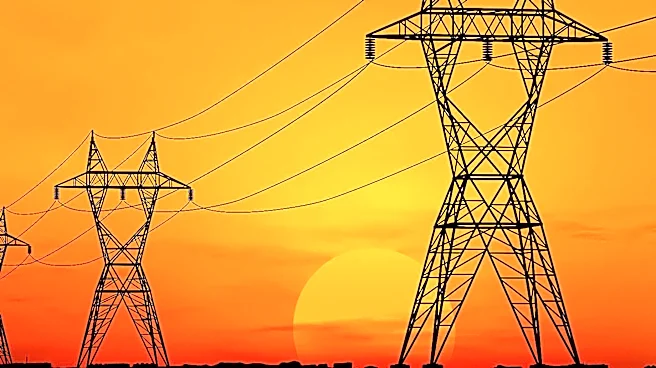
The United States is undergoing a significant expansion and modernization of its electric power grid, driven by increasing electricity demand from domestic manufacturing growth, data centers, and other large industrial loads. The Department of Energy's
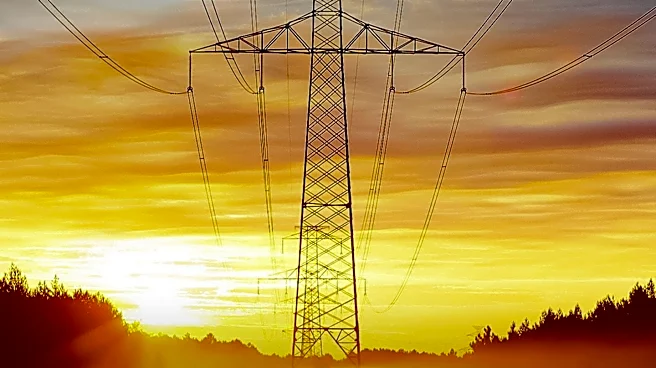
2026 Office of Electricity Strategic Plan prioritizes expanding electric-system capacity, deploying grid-enhancing technologies, and improving transmission infrastructure. A draft 2026 National Transmission Needs Study by the Department of Energy highlights the urgent need for additional transmission infrastructure, citing load growth from data centers, manufacturing, and industrial electrification. Federal funding initiatives, such as a $1.9 billion opportunity through the SPARK program, are supporting upgrades to increase transmission capacity. This expansion necessitates a broad construction workforce, including electricians, lineworkers, welders, and engineers. For projects outside major metropolitan areas, securing appropriate workforce housing has become a critical logistical consideration. Texas serves as a current example, with a $3.26 billion loan to AEP Texas for approximately 100 transmission projects, expected to double power-carrying capacity and create around 6,500 jobs, specifically to accommodate demand from data centers, advanced manufacturing, and oil and natural gas development in the Permian Basin.
Why It's Important?
The ongoing U.S. power grid expansion is crucial for sustaining economic growth and national security. The surge in electricity demand, particularly from data centers and advanced manufacturing, underscores the necessity for a robust and modernized grid. Delays in grid upgrades due to shortages in key equipment and skilled workers can impede the deployment of new energy projects, including significant energy storage initiatives. The Department of Energy's strategic plan and funding opportunities aim to address these challenges, but the success of these efforts hinges on overcoming supply chain constraints and workforce shortages. The development of specialized workforce housing is becoming increasingly important to support large-scale infrastructure projects, especially in remote areas. Failure to adequately expand and modernize the grid could lead to increased energy costs, reduced reliability, and hinder the nation's ability to integrate renewable energy sources effectively, ultimately impacting various industries and consumers across the country.
What's Next?
The Department of Energy's draft 2026 National Transmission Needs Study is currently open for public comment until September 7, 2026, indicating an ongoing process of stakeholder engagement and policy refinement. Following this period, the Department will likely finalize its strategic plans and continue to allocate funding for grid modernization and transmission projects. The focus will remain on accelerating the deployment of grid-enhancing technologies and integrated grid planning. States like Texas will continue to see significant investment in electric transmission infrastructure, with projects like those by AEP Texas progressing to meet regional demands. Addressing the shortages in specialized equipment and skilled labor will be a key challenge, potentially leading to further initiatives aimed at workforce development and supply chain resilience. Companies like Factory Direct Tiny Homes are already developing solutions for workforce housing, suggesting a growing market for such accommodations as these projects advance. The long-term success will depend on sustained investment, effective regulatory frameworks, and continuous innovation in grid technology and construction practices.
Beyond the Headlines
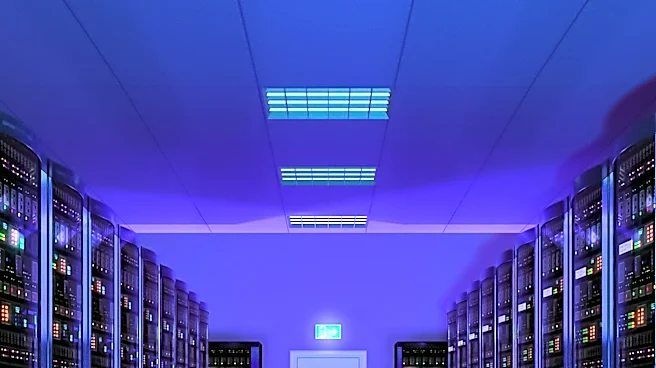
The extensive U.S. power grid expansion and modernization efforts highlight a fundamental shift in national infrastructure priorities, driven by technological advancements and evolving energy demands. The rise of data centers and AI hyperscalers is not merely increasing electricity consumption but also reshaping the very architecture of the grid, requiring more flexible, reliable, and high-capacity infrastructure. This transformation has profound implications for regional development, as states and localities compete to attract energy-intensive industries by demonstrating robust grid capabilities. The emphasis on workforce housing also points to broader societal challenges related to labor mobility and the impact of large-scale industrial projects on local communities. Furthermore, the integration of diverse energy sources, including renewables and energy storage, into a more resilient grid is critical for achieving long-term energy security and environmental sustainability. The strategic decisions made today regarding grid investment, workforce development, and regulatory frameworks will determine the nation's economic competitiveness and environmental footprint for decades to come.