
What's Happening?
A multi-agency drug and criminal interdiction operation was conducted on the Fort Hall Indian Reservation from September 24-26, resulting in 37 arrests. The operation, initiated by the Fort Hall Business
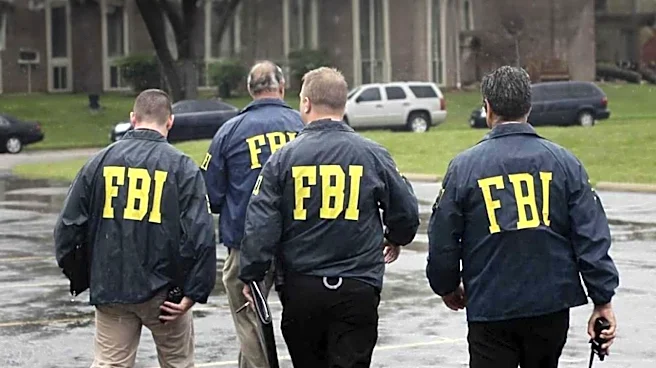
Council (FHBC) in response to a rise in overdoses, involved the Fort Hall Police Department (FHPD), the Bureau of Indian Affairs (BIA) Drug Enforcement Unit, and other law enforcement agencies. Of the total arrests, 17 were related to drug offenses. The three-day effort included high-visibility saturation patrols and targeted interdiction in areas identified for increased drug activity. FHBC Chairwoman Donna Thompson emphasized the tribal leadership's commitment to protecting the safety and well-being of residents and addressing illegal drug activity. Other participating agencies included the Bingham County Sheriff’s Office, Blackfoot Police Department, Idaho State Police, Drug Enforcement Administration, and Federal Bureau of Investigation. In addition to drug-related arrests, the operation also led to arrests for outstanding warrants and other tribal offenses.
Why It's Important?
This multi-agency operation underscores a significant effort by tribal and federal authorities to combat the growing issue of drug-related crime and overdoses on Native American reservations. The involvement of multiple law enforcement bodies highlights a coordinated approach to address complex criminal activities that often transcend jurisdictional boundaries. For the Fort Hall Reservation, the operation is a direct response to community concerns regarding public safety and health, particularly the increase in overdoses. By disrupting drug networks and making arrests, authorities aim to reduce the availability of illicit substances and deter criminal behavior, thereby improving the quality of life and safety for tribal members. The FHBC's proactive stance demonstrates tribal sovereignty and its commitment to self-governance in addressing critical community issues, while also leveraging external partnerships for greater impact. This initiative could serve as a model for other tribal nations facing similar challenges.
What's Next?
The Fort Hall Police Department Chief, Patrick Teton, stated that the department will continue to collaborate with tribal, local, state, and federal law enforcement partners to address drug and criminal activity on the reservation. Community members are encouraged to report suspicious activities, with an option to remain anonymous through Tip411 by texting 'FHPD' to 847411. This ongoing cooperation between law enforcement and the community is deemed essential for maintaining a safe environment. Future operations and sustained efforts are likely to follow, focusing on intelligence gathering and targeted interventions to further dismantle criminal networks. The success of this initial operation may lead to increased funding or resources for similar initiatives, potentially expanding the scope of drug interdiction and crime prevention programs on the reservation.
Beyond the Headlines
The operation on the Fort Hall Reservation highlights the broader challenges faced by Native American communities in addressing drug epidemics and related crime. These communities often grapple with unique jurisdictional complexities, limited resources, and historical factors that can exacerbate social issues. The emphasis on community involvement, through reporting suspicious activity, points to a strategy that recognizes the importance of trust and collaboration between law enforcement and residents. This approach is crucial for long-term success, as it fosters a sense of shared responsibility for public safety. Furthermore, the focus on reducing overdoses suggests an underlying public health crisis that requires not only law enforcement intervention but also comprehensive strategies for prevention, treatment, and recovery. The sustained commitment from tribal leadership and external agencies will be vital in creating lasting positive change and addressing the root causes of drug abuse and crime.