








What's Happening?
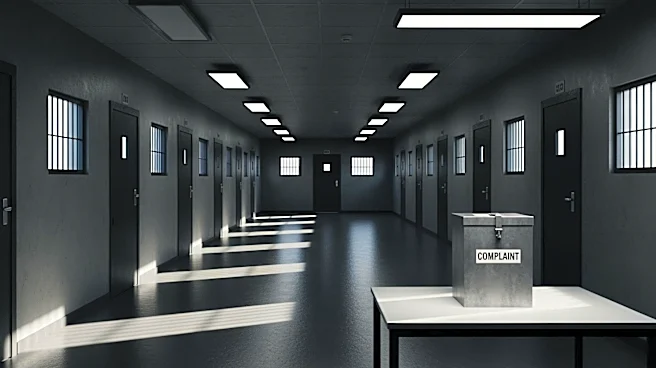
A recent investigation has highlighted significant issues within the federal prison grievance system, which is reportedly obstructing inmates' efforts to address grievances. According to an analysis by The Marshall Project and NPR, the rate at which grievances are
granted has plummeted from nearly 7% in 2000 to less than 2% in 2023. The system, intended to provide a pathway for inmates to resolve issues ranging from inadequate medical care to abuse, is criticized for rejecting complaints on procedural grounds, such as using a pencil instead of a pen or misspelling a name. The case of Terri McGuire Mollica, who has been waiting for surgery since 2016, exemplifies the system's failures. Despite following the grievance process, her requests for medical treatment have been repeatedly denied or ignored, leading to severe health complications.
Why It's Important?
The inefficiency and rigidity of the federal prison grievance system have significant implications for the rights and well-being of inmates. The system's failure to address legitimate complaints effectively blocks inmates from seeking judicial relief, as federal law requires the exhaustion of internal remedies before court action. This situation not only undermines the justice system but also raises concerns about human rights and the treatment of incarcerated individuals. The low approval rate of grievances compared to state systems suggests a systemic issue that could lead to increased legal challenges and calls for reform. The ongoing neglect of inmates' needs, particularly in healthcare, poses ethical and legal challenges for the Bureau of Prisons and highlights the need for oversight and accountability.
What's Next?
The Federal Prison Oversight Act, passed in 2024, aims to address some of these issues by establishing an independent ombudsman to handle complaints. However, the implementation of this office is pending due to a lack of funding. As the Bureau of Prisons acknowledges the drop in grievance grant rates, it is reportedly working on updates and additional guidance for filing grievances. The effectiveness of these measures remains to be seen, and continued advocacy and legal action may be necessary to ensure meaningful reform. Stakeholders, including legal advocates and civil rights organizations, are likely to push for more transparency and accountability in the grievance process.
Beyond the Headlines
The challenges within the federal prison grievance system reflect broader issues of systemic neglect and bureaucratic inefficiency in the U.S. criminal justice system. The procedural barriers that prevent inmates from seeking redress highlight a need for comprehensive reform to ensure that the rights of incarcerated individuals are protected. The situation also underscores the importance of independent oversight and the role of advocacy groups in holding institutions accountable. As public awareness of these issues grows, there may be increased pressure on policymakers to enact reforms that prioritize the humane treatment of inmates and the integrity of the justice system.