








What's Happening?
The Antarctic krill fishery is currently under heightened scrutiny due to concerns about its impact on the Southern Ocean ecosystem. The Commission for the Conservation of Antarctic Marine Living Resources (CCAMLR) manages this fishery with an ecosystem-based
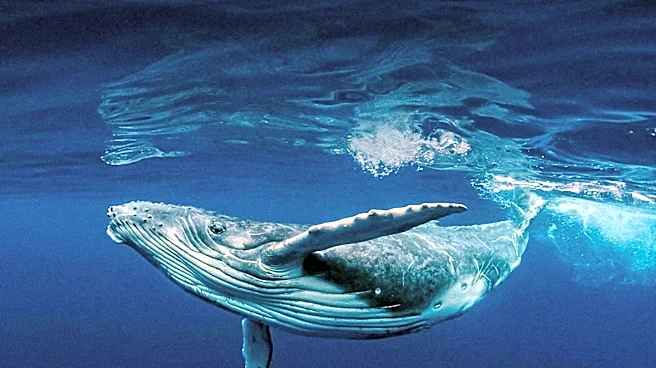
and precautionary approach, implementing catch limits, fishery notifications, monitoring, and conservation measures. Despite these regulations, marine scientists and conservation bodies express serious concerns about potential overfishing, which could significantly affect keystone species like whales, penguins, and seals. Scientific evidence suggests a substantial decline in krill densities, with some areas around the Antarctic Peninsula, a primary fishing ground, experiencing an 80 percent reduction since the 1970s. This decline is particularly alarming as krill are a critical food source for numerous marine animals and play a vital role in the Antarctic food web. The International Union for Conservation of Nature (IUCN) recently classified the Antarctic fur seal, which relies heavily on krill, as Endangered, further highlighting the ecological pressures.
Why It's Important?
The sustainability of the Antarctic krill fishery is crucial for the health of the entire Southern Ocean ecosystem. Krill, small shrimp-like crustaceans, form the base of the food web, converting phytoplankton into energy that sustains a vast array of marine life, including baleen whales, seals, penguins, and various fish and seabirds. A significant decline in krill populations due to overfishing or climate change could trigger cascading effects throughout the ecosystem, disrupting predator migration and breeding behaviors. The commercial harvesting of krill primarily targets the production of omega-3 dietary supplements and aquaculture feed. The growing market for krill oil, despite the availability of alternatives like algae-based omega-3, places additional pressure on krill stocks. The withdrawal of major retailers from selling krill oil products, as seen in Australia and other international markets, signals a growing consumer and industry awareness of the environmental implications, potentially shifting market demand towards more sustainable omega-3 sources and influencing global supply chains for dietary supplements and aquaculture.
What's Next?
The ongoing scrutiny of the Antarctic krill fishery is likely to intensify, leading to increased calls for stricter regulations and more robust scientific monitoring. Organizations like Sea Shepherd are actively campaigning to raise awareness and pressure retailers to cease selling krill-derived products. This consumer and advocacy pressure could lead to more retailers, particularly in the U.S. and other major markets, re-evaluating their product offerings and potentially withdrawing krill oil supplements. The industry, represented by companies like Aker BioMarine, is emphasizing its commitment to sustainable management practices and supporting initiatives like the proposed Marine Protected Area around the Antarctic Peninsula. Future developments will likely involve a continued push for transparency in catch reporting, independent scientific assessments, and the implementation of more modernized krill fishery management approaches to ensure the long-term health of the Antarctic ecosystem. The availability and market share of alternative omega-3 sources, such as algae-based supplements, are also expected to grow as sustainability concerns become more prominent.
Beyond the Headlines
The debate surrounding the Antarctic krill fishery extends beyond immediate ecological concerns, touching upon broader ethical and economic considerations. The reliance on krill for omega-3 supplements, despite the existence of plant-based alternatives, raises questions about the necessity of extracting wildlife from sensitive ecosystems for human consumption. This situation highlights the tension between commercial interests and conservation efforts in a globally interconnected market. The decline in krill populations also serves as a stark indicator of the wider impacts of climate change on marine environments, as warming waters and melting ice further alter krill habitat and availability. The actions of retailers and consumers in response to these concerns could set a precedent for how industries manage and source products from vulnerable ecosystems, potentially influencing corporate social responsibility standards and consumer demand for ethically sourced goods on a global scale. This issue underscores the complex interplay between environmental science, economic drivers, and public perception in shaping sustainable practices.