



What's Happening?
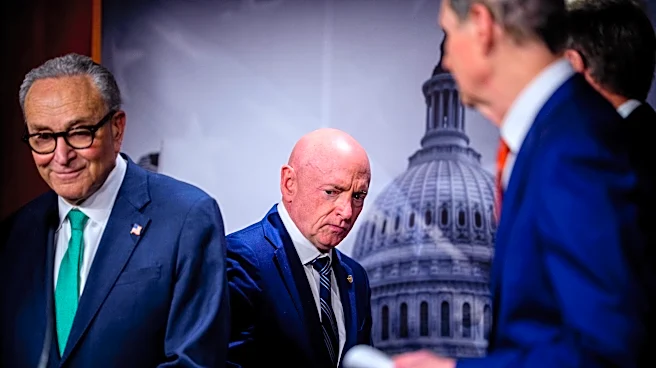
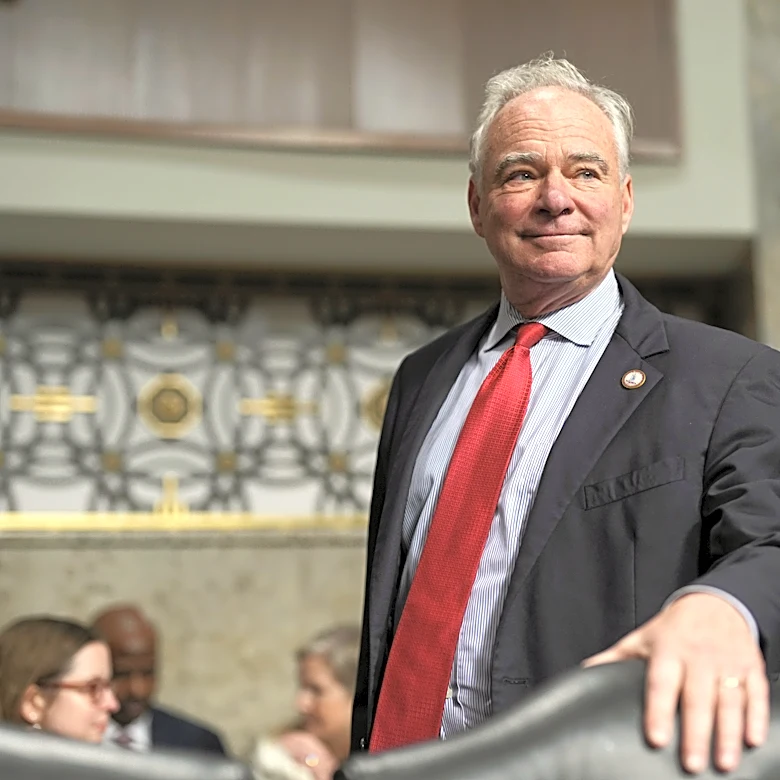
U.S. Senators Jack Reed and Sheldon Whitehouse recently visited Roger Williams University (RWU) to highlight federal investments in Rhode Island's 'Blue Economy.' The visit included a ribbon-cutting ceremony for RWU’s newly completed Histology Laboratory,
which will enhance the university's capacity to diagnose and research diseases affecting aquatic animals, particularly shellfish. This laboratory is part of RWU’s Aquatic Diagnostic Laboratory, providing research and diagnostic services to fish and shellfish growers across the Northeast and offering students hands-on experience in aquatic animal health. The project received federal funding, with Reed and Whitehouse securing $1.6 million in 2022 through the National Oceanic and Atmospheric Administration for the shellfish aquaculture industry, and an additional $1.95 million federal award secured by Reed in fiscal year 2024 for laboratory improvements and expanded research capabilities. Senator Whitehouse, ranking member of the Senate Environment and Public Works Committee, emphasized the critical role of marine research and aquaculture in the state's economy.
Why It's Important?
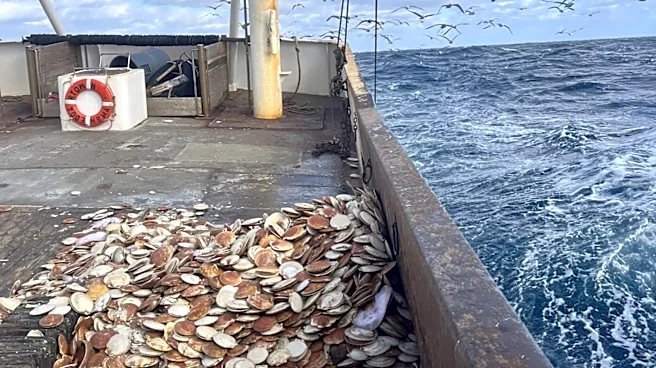
These federal investments are crucial for bolstering Rhode Island's 'Blue Economy,' which encompasses industries and research related to ocean and coastal resources. The upgraded facilities at Roger Williams University will directly support local shellfish growers by improving disease diagnosis and prevention, thereby safeguarding a vital local industry. Furthermore, the expansion of research capabilities and diagnostic services will benefit the broader Northeast region's aquaculture sector. For RWU students, these investments translate into invaluable opportunities for practical experience with specialized equipment and real-world research challenges, preparing the next generation of professionals in marine science. The funding also reinforces the university's role as a key player in economic development and scientific advancement within the state, fostering stronger connections between academia, industry, and government.
What's Next?
The newly enhanced Histology Laboratory and other upgraded facilities at Roger Williams University are expected to immediately begin supporting local shellfish growers and advancing marine research. The continued federal funding indicates a sustained commitment to the 'Blue Economy' in Rhode Island, suggesting potential for further growth and innovation in aquaculture and marine science. The university will likely continue to expand its partnerships with industry stakeholders, leveraging its improved research infrastructure. Future initiatives may focus on developing new diagnostic tools, implementing preventative measures for aquatic animal diseases, and training a skilled workforce to meet the evolving demands of the marine industry. The success of these investments could also serve as a model for other coastal states looking to strengthen their own blue economies.
Beyond the Headlines
The federal support for Rhode Island's 'Blue Economy' reflects a broader national recognition of the economic and environmental significance of marine resources. Beyond the immediate benefits to the shellfish industry and academic research, these investments contribute to the long-term sustainability of coastal ecosystems. By focusing on disease prevention and advanced diagnostics, the initiative helps mitigate risks to aquatic populations, which are increasingly vulnerable to environmental changes and pathogens. This proactive approach to marine health has implications for food security, biodiversity, and the overall ecological balance of coastal waters. Moreover, the emphasis on training students in these specialized fields addresses a critical need for expertise in a rapidly evolving sector, ensuring that the U.S. remains at the forefront of marine science and sustainable aquaculture practices.