





What's Happening?
The Department of the Interior has released a new plan to manage water usage on the Colorado River, following a failure by Colorado and six other states to agree on water releases from Lake Powell and Lake Mead. The plan outlines operational limits for
the river, including annual releases from Lake Powell ranging between 5 million and 12 million acre-feet. This initiative aims to maintain the reliability and resilience of the Colorado River system, which is crucial for millions of Americans, communities, and industries. The plan currently spares upper basin states from mandatory water cuts, focusing instead on the lower basin states.
Why It's Important?
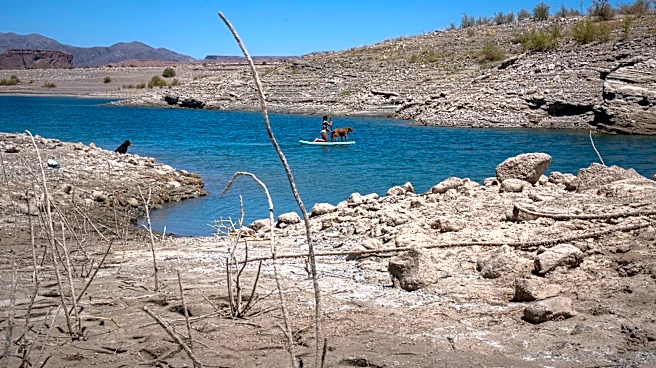
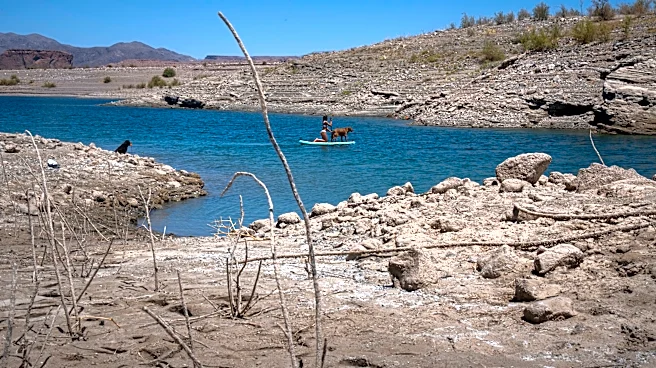
The Colorado River is a vital water source for approximately 40 million people and supports 5 million acres of farmland. The new management plan is significant as it addresses the ongoing water scarcity issues exacerbated by prolonged drought conditions and increased water demand. By sparing the upper basin states from immediate cuts, the plan attempts to balance the needs of different regions while ensuring the river's sustainability. However, the focus on lower basin states like Arizona, California, and Nevada could lead to significant water use reductions, impacting agriculture, urban development, and overall water availability in these areas.
What's Next?
The Department of the Interior's plan is a temporary measure, and further negotiations among the seven states are expected to continue. The plan's implementation may face legal challenges, particularly from states that feel disproportionately affected by the proposed water cuts. The ongoing discussions aim to reach a consensus-based solution that equitably distributes water resources while addressing the environmental and economic challenges posed by the river's declining water levels.