



What's Happening?
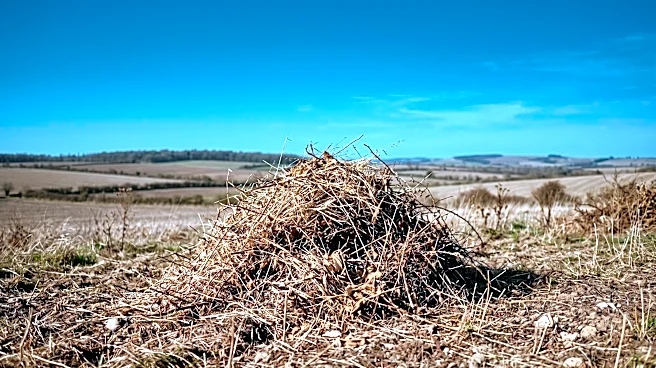
The Benton Clean Air Agency has issued its daily burn decision for October 31, 2026, designating it as a 'Burn Day' for both residential and agricultural purposes within Benton County. Residential burning of dry natural vegetation is permitted from 9:00
AM to 4:45 PM, but only for residents living outside urban growth areas. Specific rules apply, including limiting piles to 4x4x3 feet, maintaining a 50-foot distance from flammable structures, and requiring constant attendance. Agricultural burning is also allowed during the same hours for growers holding permits, with exceptions for orchard prunings, windblown tumbleweeds, or vegetation along fence lines, irrigation canals, or drainage ditches, which do not require a permit and have no time restrictions. Residential burning within urban growth areas of Benton County remains permanently banned, though fireplaces, woodstoves, BBQs, campfires, and the disposal of windblown tumbleweeds are exempt countywide.
Why It's Important?
This daily burn decision by the Benton Clean Air Agency is important for public health and environmental quality in Benton County, Washington. Regulating outdoor burning helps to control air pollution, which can have significant impacts on respiratory health, especially for vulnerable populations. The distinction between urban and rural areas, and the specific rules for residential and agricultural burning, reflect an effort to balance agricultural needs and individual property management with broader air quality concerns. For residents and farmers, these decisions directly affect their ability to manage vegetation and waste, while for the wider community, they influence the quality of the air they breathe. Non-compliance can lead to penalties and contribute to localized air quality issues.
What's Next?
Residents and agricultural operators in Benton County will need to continue monitoring daily burn decisions from the Benton Clean Air Agency, particularly during seasons prone to burning activities. The agency will likely continue to issue these daily updates, adjusting regulations based on weather conditions, air quality forecasts, and seasonal factors. Enforcement of the burning rules will remain a priority to ensure compliance and maintain air quality standards. There may be ongoing public education efforts to inform residents about permissible burning activities and the importance of adhering to regulations. Future policy discussions could focus on further refining burning regulations to adapt to changing environmental conditions or community needs.
Beyond the Headlines
The regulation of outdoor burning by agencies like the Benton Clean Air Agency highlights the complex interplay between individual freedoms, economic activities (like agriculture), and collective environmental health. It underscores the challenge of managing localized pollution sources that can have regional impacts. The permanent ban on residential burning in urban areas reflects a growing recognition of the need to protect denser populations from air quality degradation, while exceptions for agricultural burning acknowledge its role in land management. This situation also points to the broader issue of air quality management in the U.S., where local agencies play a critical role in implementing federal and state clean air acts, often navigating diverse community interests and environmental pressures.