







What's Happening?
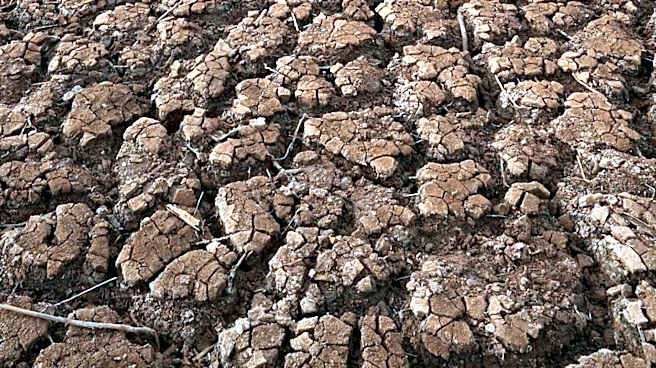
Routt County, Colorado, is experiencing heightened mental health concerns due to a combination of challenging weather conditions and climate-related stressors. The region has faced above-normal temperatures, extended drought, and wildfire smoke, exacerbating
existing stressors such as financial and family issues. Local officials and health specialists emphasize the importance of monitoring both physical and mental health during these times. The stress peaked in mid-July with multiple wildfires and record high temperatures, leading to increased anxiety among residents. The Colorado State University Extension's Colorado AgrAbility Project highlights the compounded stress on the community, particularly those involved in agriculture and tourism, which are heavily impacted by natural resource-based economic challenges.
Why It's Important?
The situation in Routt County underscores the broader implications of climate change on mental health, particularly in communities reliant on natural resources. The compounded stress from environmental factors can lead to significant mental health challenges, affecting community well-being and economic stability. This highlights the need for comprehensive mental health support and resources, especially in rural areas where access to services may be limited. The response from local agencies and the expansion of professional counseling services reflect a growing recognition of the mental health impacts of climate change, which could inform future public health strategies and policy decisions.
What's Next?
As Routt County continues to navigate these challenges, local agencies are likely to focus on enhancing community resilience and support systems. This may include expanding access to mental health services, increasing public awareness of available resources, and fostering community support networks. The ongoing climate challenges could also prompt discussions on sustainable practices and policies to mitigate future impacts. Stakeholders, including government agencies and community organizations, may collaborate to develop long-term strategies to address both the environmental and mental health aspects of climate change.