





What's Happening?
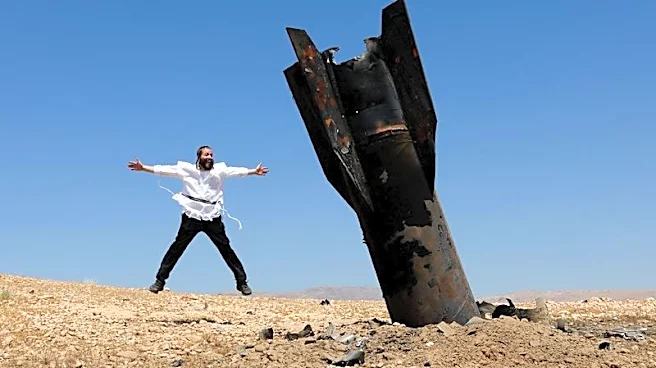
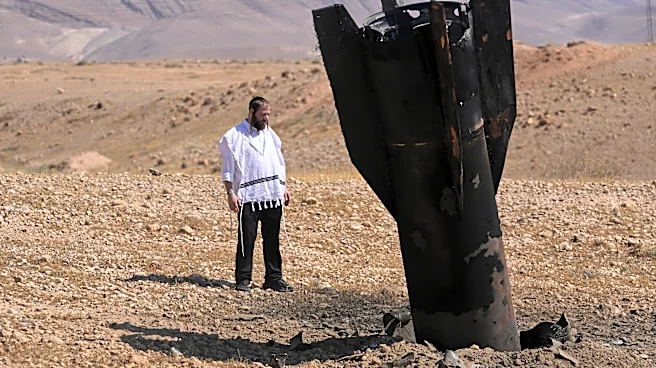
Prime Minister Benjamin Netanyahu has taken a decisive stance by defying U.S. President Donald Trump's request to refrain from responding to Iranian aggression. This decision comes after Iran launched ballistic missiles at Israel, prompting Trump to urge
Netanyahu, through Israeli journalists, not to retaliate. Despite this, Netanyahu chose to strike back, citing the need to maintain Israel's security and sovereignty. This move is reminiscent of past Israeli leaders who have prioritized national interests over U.S. pressure, such as during the Six-Day War and other historical conflicts. Netanyahu's decision is seen as a strategic move to prevent Iran from establishing a new strategic equation linking Lebanon and Iran, which could project Israeli weakness in the region.
Why It's Important?
Netanyahu's defiance of Trump's request underscores a significant moment in U.S.-Israel relations, highlighting Israel's willingness to act independently in matters of national security. This decision could have broad implications for regional stability, as it challenges Iran's attempt to link its actions in Lebanon with its broader strategic goals. By acting against U.S. advice, Netanyahu aims to project strength and independence, which could influence Israel's standing with other regional actors and allies. The move also carries domestic political implications, as Netanyahu's political rivals often portray him as overly compliant with U.S. demands. By taking a stand, Netanyahu seeks to reinforce his image as a leader capable of making tough decisions in the face of international pressure.
What's Next?
The immediate consequence of Netanyahu's decision is likely to be increased tension between Israel and Iran, as well as potential diplomatic friction with the United States. Israel's response to Iranian aggression may lead to further military engagements in the region, particularly involving Hezbollah in Lebanon. Domestically, Netanyahu's actions may bolster his political standing among supporters who value strong leadership against external threats. However, it could also lead to criticism from those who fear the repercussions of defying a key ally like the United States. The international community will be closely watching how this situation unfolds, as it could set a precedent for future interactions between Israel and its allies.