



What's Happening?
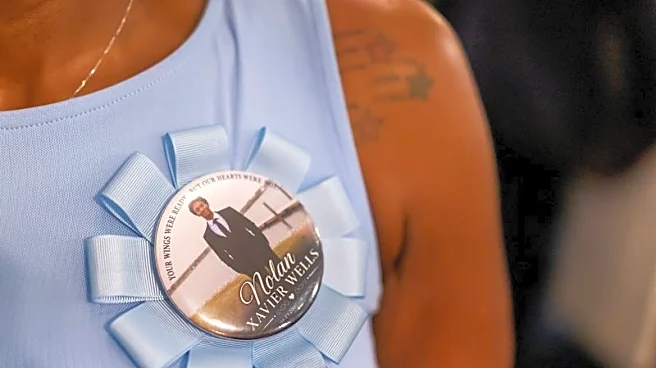
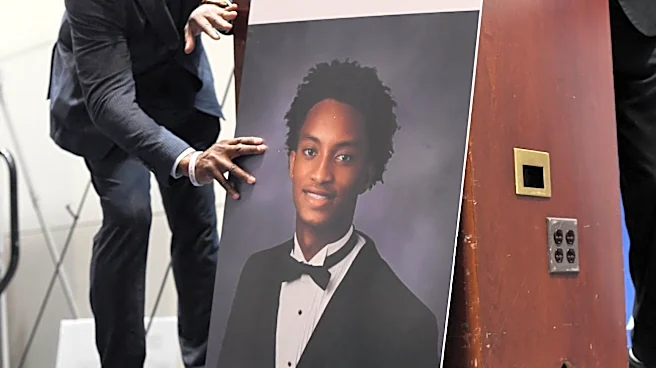
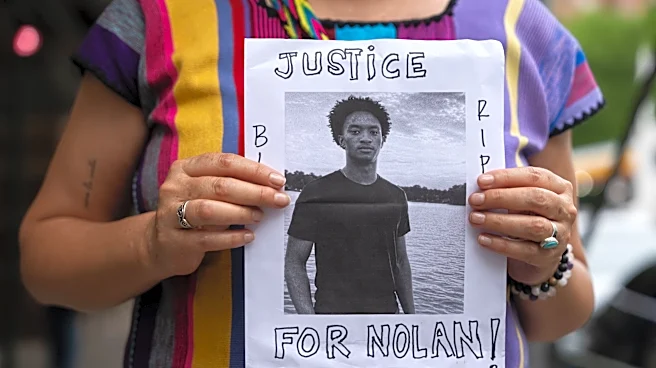
A grand jury has declined to recommend charges in the death of Nolan Wells, a Black college student found dead after a July 4 boating trip off the Mississippi Gulf Coast. The district attorney announced the grand jury's findings, stating there was no evidence
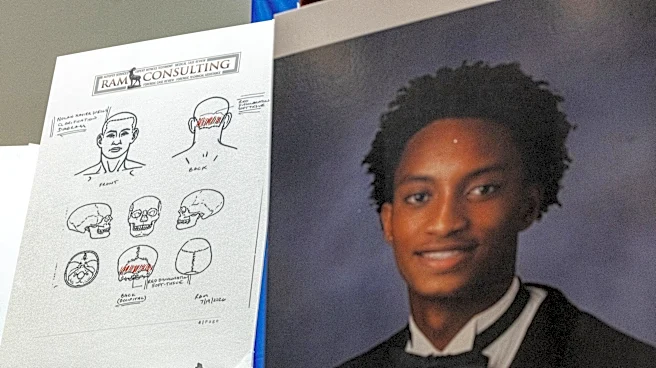
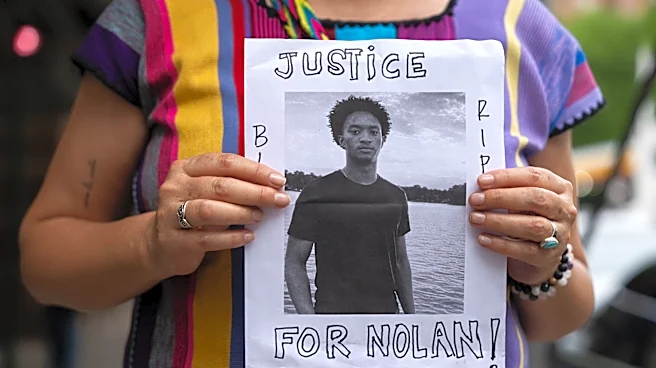
of criminal conduct and that Wells' death was consistent with drowning. However, Wells' family and their legal team, including civil rights attorney Ben Crump, immediately pushed back, asserting that they still lack answers regarding what happened. They cited an independent autopsy that found bruising on the back of Wells' head and ruled the cause of death as undetermined, questioning how the grand jury concluded drowning. The family has called for the U.S. Department of Justice to conduct an independent investigation and for the full state medical examiner's autopsy report to be released, which officials have declined to do.
Why It's Important?
This decision by the grand jury and the subsequent pushback from Nolan Wells' family highlight significant issues of transparency and trust in the justice system. The discrepancy between the grand jury's findings and the independent autopsy, particularly regarding the cause of death and the presence of injuries, raises serious questions about the thoroughness and impartiality of the investigation. For the U.S., this case resonates with broader concerns about racial justice and accountability, especially given Mississippi's historical context. The family's call for federal intervention underscores a perceived failure at the local level to provide satisfactory answers. This situation could fuel public debate on how law enforcement and legal systems handle cases involving minority individuals, potentially influencing future demands for independent oversight and greater public access to investigative details.
What's Next?
Nolan Wells' family and attorney Ben Crump are expected to continue their advocacy for a more comprehensive investigation. They have formally requested the U.S. Department of Justice to launch an independent inquiry into Wells' death. Additionally, they will persist in demanding the release of the full state medical examiner's autopsy report and the complete investigation file, which have been withheld by officials. Crump has also indicated plans to hold another press conference to discuss the investigation into Wells' cell phone. The ongoing efforts by the family and civil rights organizations suggest that this case will remain a subject of public and legal scrutiny, potentially leading to further legal challenges or increased pressure on state and federal authorities to re-examine the evidence and provide more definitive answers.
Beyond the Headlines
The Nolan Wells case delves into complex ethical and societal dimensions, particularly concerning the narrative surrounding a young Black man's death in a racially sensitive historical context. The initial online speculation about racial motives, though dismissed by the district attorney, reflects deep-seated societal anxieties and the enduring impact of historical injustices. The family's struggle for answers, despite official conclusions, highlights the emotional and psychological toll on victims' families when investigations are perceived as incomplete or lacking transparency. This situation also brings to light the limitations of grand jury proceedings, which often operate in secrecy and can leave families feeling unheard. The case could serve as a catalyst for broader discussions on systemic biases, the need for independent oversight in controversial death investigations, and the role of public trust in maintaining the legitimacy of the justice system.