





What's Happening?
The TGR Foundation, established by Tiger Woods, is significantly expanding its youth education programs in Southern California. Celebrating its 30th anniversary, the Irvine-based philanthropic organization is introducing a new Learning Lab at Lulu's Place,
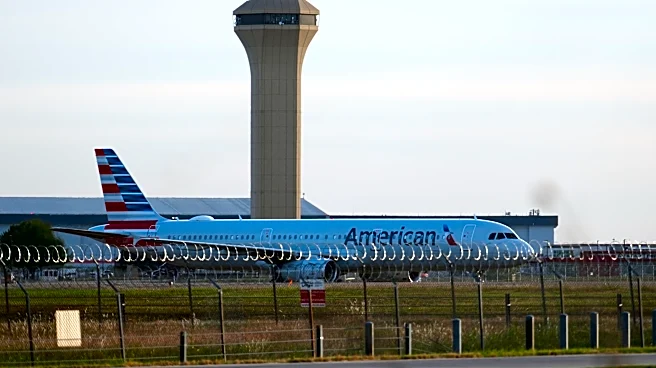
slated to open in 2027. This initiative is part of a broader strategy to offer diverse support for learners, including a partnership with Otis College and Harbor Freight Tools focusing on skilled trades, and a collaboration with Genesis to bolster STEM education. Construction is underway for the TGR Learning Lab Los Angeles, a 25,000-square-foot facility in Westchester, near Los Angeles International Airport, which will provide free or low-cost after-school and summer programs to students from predominantly Title I schools. The foundation also launched a pilot program last summer with Otis College and Harbor Freight Tools, the Creative Trades Lab, which offered high school students instruction, materials, and a stipend for learning art, design, and skilled trades. Furthermore, the foundation has expanded its free professional development program for Los Angeles teachers, adding a fourth module to provide training in best practices for STEM subjects.
Why It's Important?
The expansion of the TGR Foundation's programs is crucial for addressing educational disparities and fostering career readiness among Southern California youth, particularly those from underserved communities. By focusing on STEM and skilled trades, the foundation is directly responding to the evolving demands of the modern workforce, preparing students for high-demand careers. The new Learning Labs and partnerships provide invaluable resources, offering hands-on experience and professional development that might otherwise be inaccessible. This initiative not only equips students with practical skills but also cultivates a pipeline of talent for various industries, potentially boosting local economies. The involvement of corporate partners like Genesis, Otis College, and Harbor Freight Tools underscores a collaborative approach to community development, demonstrating how private philanthropy can complement public education efforts to create significant social impact. The emphasis on Title I schools highlights a commitment to equity, aiming to level the playing field for students who face systemic disadvantages.
What's Next?
The TGR Foundation plans to open the new Learning Lab at Lulu's Place in 2027, with the TGR Learning Lab Los Angeles also scheduled for a spring 2027 opening. Following these, additional learning labs are planned for Atlanta in late 2027 and Augusta, GA, in 2028, indicating a national expansion of the foundation's educational footprint. The ongoing partnerships with Otis College and Harbor Freight Tools for skilled trades, and with Genesis for STEM education, are expected to continue and potentially grow, offering more opportunities for students. The foundation will also continue to host industry days, such as the recent event at SoFi Stadium with the Chargers, which provides students with real-world business experience. These initiatives suggest a sustained effort to integrate academic learning with practical, career-oriented skills, preparing students for future challenges and opportunities.
Beyond the Headlines
The TGR Foundation's sustained commitment to youth education, particularly in STEM and skilled trades, reflects a broader societal recognition of the importance of practical skills and equitable access to quality education. This model of philanthropic intervention, leveraging celebrity influence and corporate partnerships, offers a blueprint for addressing educational gaps in other regions. The focus on providing stipends for student participation in programs like the Creative Trades Lab not only incentivizes learning but also acknowledges the economic realities faced by many students, making educational opportunities more accessible. The foundation's long-term vision, extending to multiple learning labs across the country, suggests a strategic effort to create lasting change in educational outcomes and workforce development. This approach could inspire other organizations to adopt similar comprehensive strategies, fostering a more skilled and equitable future workforce.