



What's Happening?
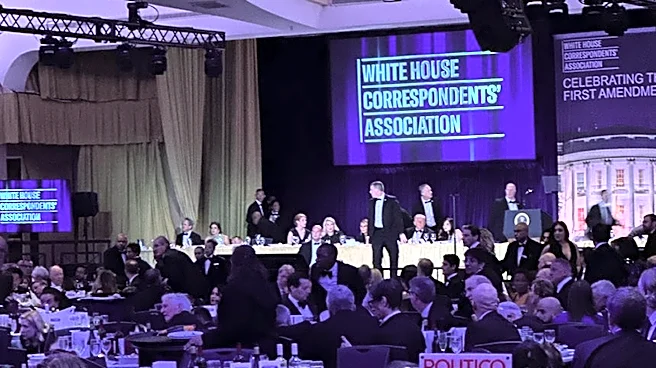
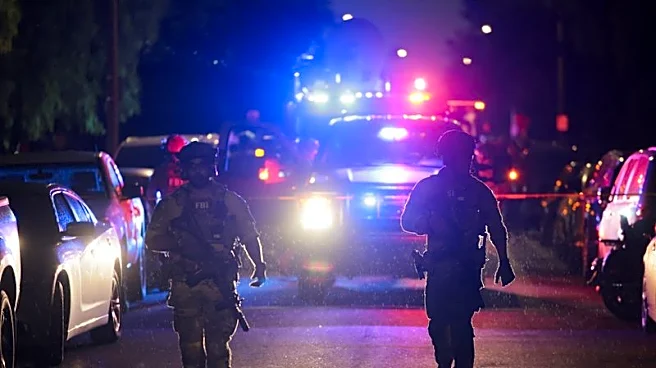
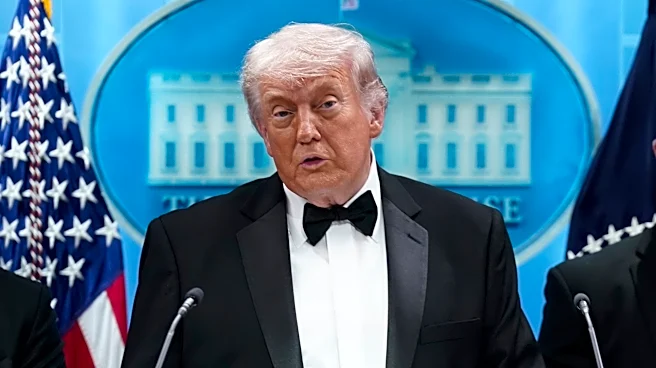
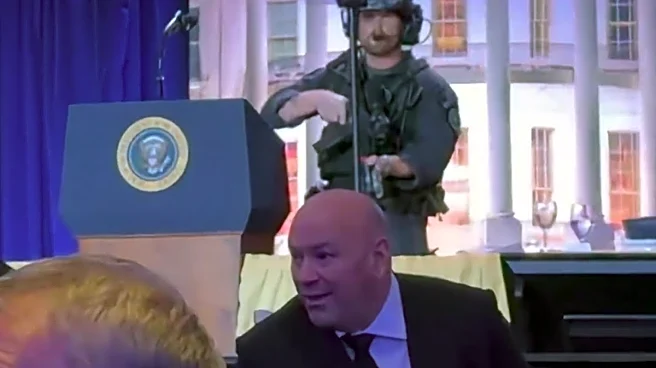
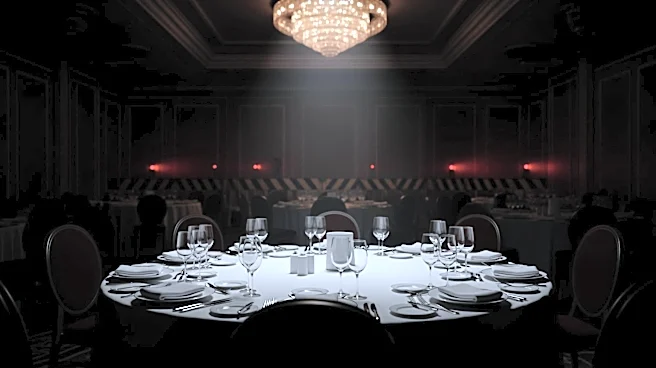
First Lady Melania Trump experienced a security scare during the White House Correspondents' Dinner when gunshots were heard outside the ballroom. This incident marked the first time she was present during an aggressive evacuation by the Secret Service
alongside President Trump. Previously, she had learned about assassination attempts on her husband through television while being in different locations. The event highlighted her longstanding concerns about security, which have been a priority since the 2024 incidents in Butler, Pennsylvania, and West Palm Beach, Florida.
Why It's Important?
The security incident underscores the ongoing challenges faced by public figures in ensuring their safety during high-profile events. It highlights the critical role of the Secret Service and law enforcement in protecting national leaders and their families. The event also brings attention to the psychological impact such threats can have on individuals in the public eye, emphasizing the need for robust security measures and protocols. For Melania Trump, this experience may influence her approach to public appearances and her advocacy for security-related issues.
What's Next?
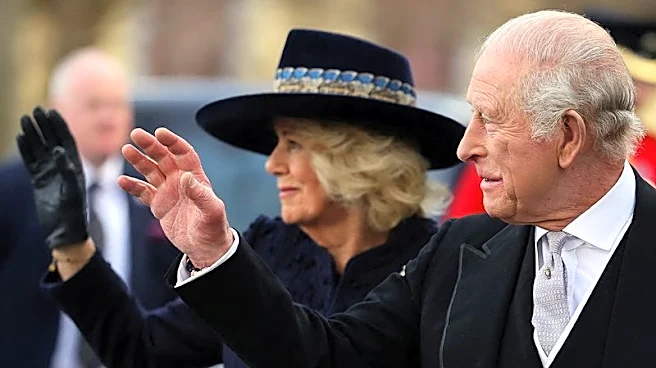
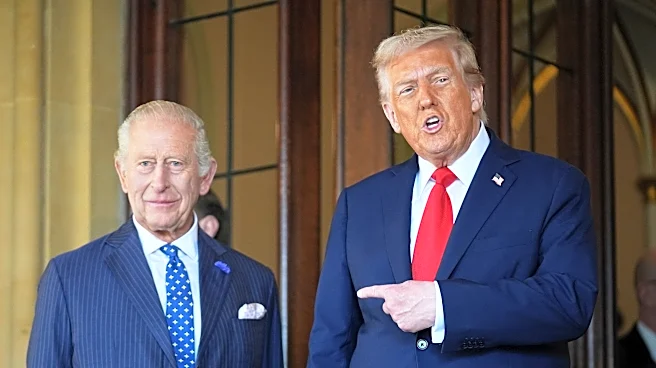
In the aftermath of the incident, the Trumps are expected to continue with their scheduled engagements, including hosting King Charles III and Queen Camilla for an official state visit. This event will likely involve heightened security measures to ensure the safety of all attendees. The experience may prompt a review of security protocols for future events, potentially leading to increased precautions and adjustments in how public figures are protected during public appearances.
Beyond the Headlines
The incident at the White House Correspondents' Dinner also raises broader questions about the security of public events and the balance between accessibility and safety for public figures. It highlights the ongoing threat environment faced by political leaders and the importance of maintaining vigilance in security planning. Additionally, it may influence public discourse on the responsibilities and challenges of those in high-profile positions, particularly in terms of personal safety and public expectations.