
What's Happening?
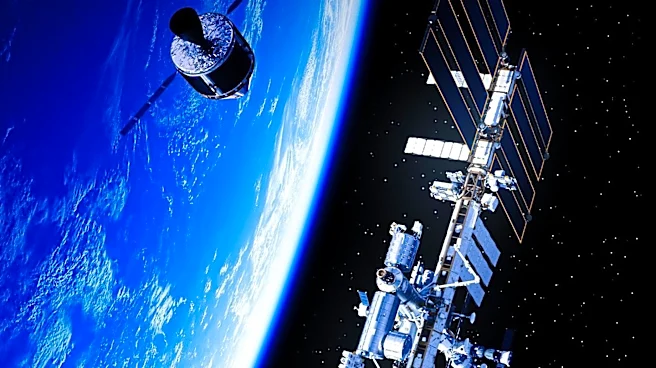
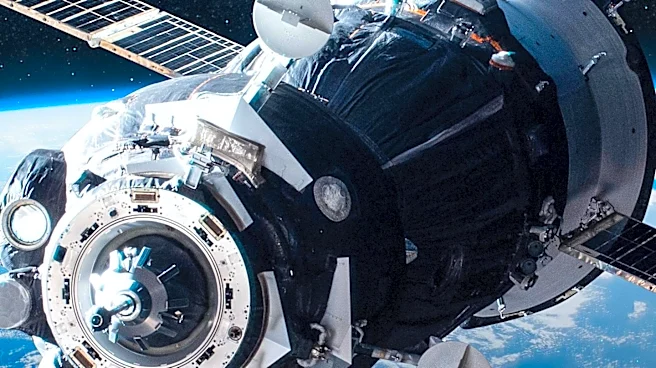
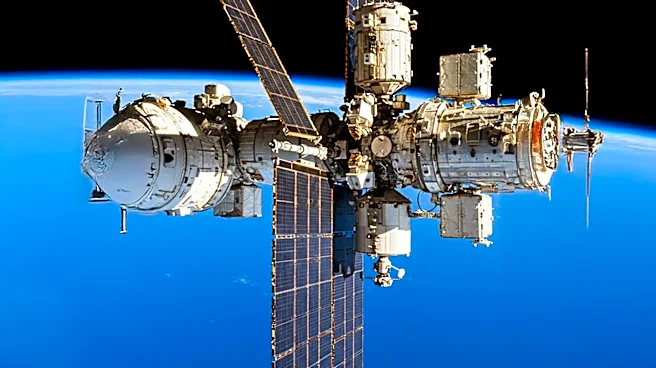
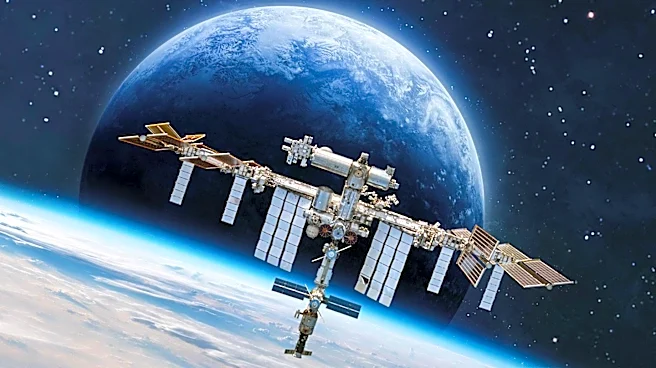
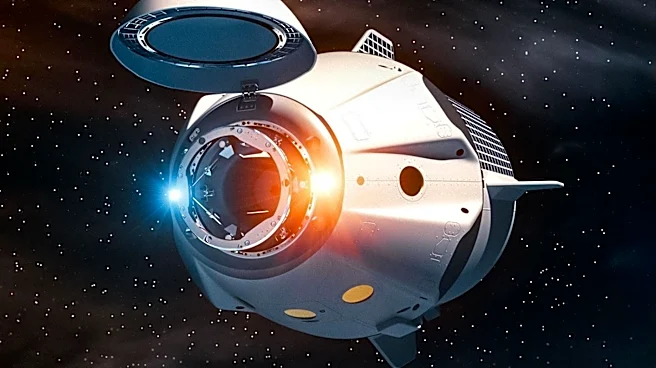
The Soyuz MS-28 spacecraft has successfully undocked from the International Space Station's Rassvet module at 3:03 a.m. EDT. The spacecraft is carrying NASA astronaut Chris Williams and Roscosmos cosmonauts
Sergey Kud-Sverchkov and Sergei Mikaev back to Earth. The undocking marks the beginning of their return journey, with the deorbit burn scheduled for 5:31 a.m. and landing expected at 6:25 a.m. on the Kazakh steppe, southeast of Dzhezkazgan. NASA is providing live coverage of the deorbit, entry, and landing events, which are accessible on various platforms. This mission is part of the ongoing collaboration between NASA and Roscosmos, highlighting the international partnership in space exploration.
Why It's Important?
The return of the Expedition 74 crew is a significant event in the realm of international space cooperation. The collaboration between NASA and Roscosmos exemplifies the ongoing partnership that is crucial for the success of the International Space Station (ISS) missions. The safe return of astronauts and cosmonauts is vital for the continuation of scientific research and exploration conducted aboard the ISS. This mission also underscores the importance of international collaboration in advancing human spaceflight capabilities and fostering peaceful relations between nations through shared scientific goals. The successful completion of such missions contributes to the broader understanding of space and supports future endeavors in space exploration.
What's Next?
Following the return of the Expedition 74 crew, NASA and Roscosmos will likely conduct debriefings and evaluations of the mission to gather insights and data that can inform future missions. The focus will also shift to preparing for upcoming launches and crew rotations, ensuring the continuous operation of the ISS. Additionally, the data collected during the mission will be analyzed to enhance safety protocols and improve the efficiency of future spaceflights. The ongoing collaboration between NASA and Roscosmos will continue to play a crucial role in the success of the ISS and future international space missions.