



What's Happening?
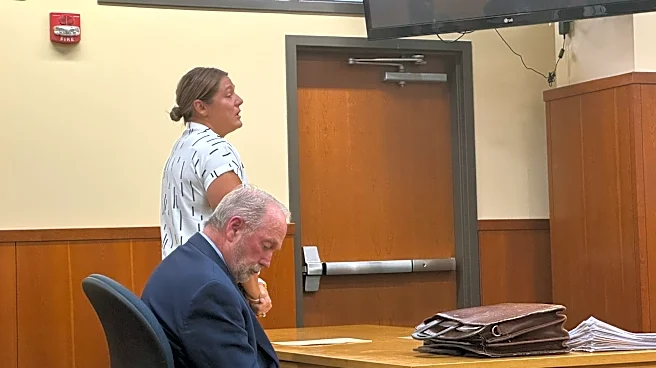
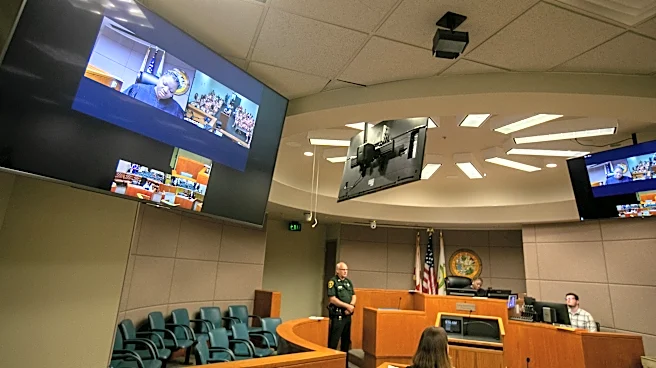
A judge in North Charleston, South Carolina, has set a bond of $252,000 for Dayvonta Adams, 24, who is accused of a hit-and-run incident involving two deputies and a motorcyclist. The incident occurred on Interstate 26, where Adams allegedly struck the
three individuals who were involved in a traffic stop. All three victims sustained injuries and were transported to the hospital. Following the collision, Adams and his passenger reportedly fled the scene. Adams faces multiple charges, including reckless driving and endangering emergency services. The deputies involved expressed their ongoing pain and frustration regarding the incident, highlighting the disregard shown by the accused. Adams's attorney argued against a high bond, citing his client's ties to the community as a reason he would not be a flight risk. Despite some deputies advocating for Adams to be denied bond due to the nature of the offense, the judge was legally required to set one, as it was not classified as a violent crime.
Why It's Important?
This incident underscores the inherent dangers faced by law enforcement officers and emergency personnel while performing their duties on public roadways. The charges of reckless driving and endangering emergency services highlight the legal framework in place to protect these individuals, and the bond setting process reflects the judicial system's balance between public safety and the rights of the accused. The injuries sustained by the deputies and the motorcyclist emphasize the severe consequences of such incidents, which can lead to long-term physical and emotional trauma. Furthermore, the case brings attention to the issue of drivers fleeing accident scenes, which complicates investigations and can delay critical medical attention for victims. The community's response and the legal proceedings will likely influence public perception of road safety and accountability for drivers involved in collisions, particularly those involving emergency responders.
What's Next?
Dayvonta Adams is scheduled to appear in criminal traffic court in October, where further legal proceedings will take place. This appearance will likely involve discussions regarding the evidence, potential plea bargains, or the setting of a trial date. The legal process will determine the full extent of Adams's culpability and the penalties he may face, which could include fines, imprisonment, and license suspension, depending on the severity of the charges and the court's findings. The injured deputies and motorcyclist may also pursue civil litigation to seek compensation for their medical expenses, lost wages, and pain and suffering. The outcome of this case could also prompt local law enforcement agencies to review and potentially enhance their safety protocols for officers conducting traffic stops on busy interstates, aiming to prevent similar incidents in the future.
Beyond the Headlines
The incident in North Charleston extends beyond the immediate legal ramifications, touching upon broader societal issues concerning driver responsibility and respect for emergency services. The deputies' statements about their pain and the perceived lack of regard from the driver highlight a growing concern about driver behavior and attentiveness on roads. This case could serve as a catalyst for public awareness campaigns emphasizing the importance of slowing down and moving over for emergency vehicles, a law often overlooked or ignored. Ethically, the act of fleeing the scene raises questions about moral accountability and the duty of care drivers owe to others, especially after causing injury. The long-term psychological impact on the victims, particularly the deputies who regularly face such risks, is also a significant, though often unaddressed, consequence. This event contributes to the ongoing dialogue about how to foster a safer environment for both the public and those who serve to protect it on the nation's roadways.