
What's Happening?
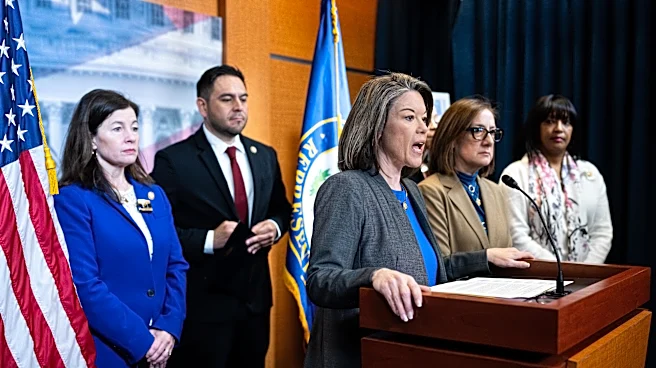
Congresswoman April McClain Delaney (D-MD) and Congresswoman Carol Miller (R-WV) have jointly introduced the bipartisan AGRI-FLOOD Resilience and Infrastructure Act. This legislation aims to bolster rural
communities against severe flooding, safeguard farmland, and decrease the financial burden of disaster recovery on taxpayers. The proposed bill seeks to establish a new U.S. Department of Agriculture (USDA) program. This program would focus on modernizing aging dams and flood control systems, restoring floodplains and wetlands, and enhancing flood risk information and emergency preparedness. The initiative prioritizes preventative measures to mitigate damage to rural lands and infrastructure, thereby protecting the nation's food security and supply chains, rather than relying on costly post-disaster recovery efforts. The bill is supported by various organizations, including the National Watershed Coalition, American Rivers Action Fund, and the Association of State Floodplain Managers.
Why It's Important?
The AGRI-FLOOD Act is significant for its potential to address critical infrastructure vulnerabilities in rural America, which are often disproportionately affected by natural disasters. By focusing on prevention and resilience, the bill aims to reduce the economic and social costs associated with flooding, which can devastate agricultural economies and displace communities. The modernization of aging dams and flood control systems is crucial for public safety and long-term stability, especially as climate patterns lead to more frequent and intense weather events. Furthermore, the legislation's emphasis on restoring floodplains and wetlands offers ecological benefits, improving water quality and creating vital wildlife habitats. This bipartisan effort underscores a shared recognition of the urgent need to protect rural livelihoods and infrastructure, ensuring the continuity of food production and reducing the strain on federal disaster relief funds.
What's Next?
The AGRI-FLOOD Resilience and Infrastructure Act will now proceed through the legislative process in Congress. Its bipartisan introduction suggests a potential for broad support, but it will require further debate, committee review, and votes in both the House and Senate to become law. If enacted, the USDA would be tasked with establishing and implementing the new Floodplains and Watershed Resilience Program, which would involve allocating financial and technical assistance to rural communities. Stakeholders such as the Association of State Floodplain Managers and the National Watershed Coalition have expressed their support and willingness to work with Congress on the bill's progression. The success of this legislation could set a precedent for future bipartisan efforts in addressing climate resilience and infrastructure needs across the country.
Beyond the Headlines
Beyond its immediate goals, the AGRI-FLOOD Act highlights a broader shift towards proactive environmental management and infrastructure investment in the U.S. The focus on nature-based solutions, such as floodplain and wetland restoration, reflects an evolving understanding of how ecological health contributes to community resilience. This approach moves beyond traditional engineering solutions to integrate natural systems into flood control strategies, offering multiple co-benefits like biodiversity conservation and improved water quality. The bill also implicitly addresses the long-term economic sustainability of rural areas, recognizing that robust infrastructure and environmental protection are foundational to agricultural productivity and community well-being. This legislative effort could inspire similar initiatives that blend economic development with ecological stewardship, fostering a more resilient and sustainable future for rural America.