




What's Happening?
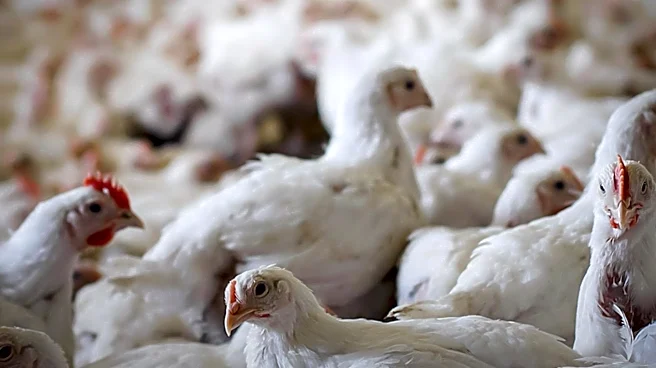
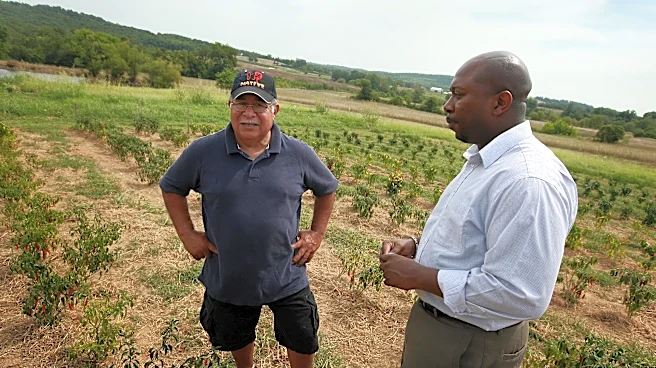
Grant Callahan, owner of 2340 Ackerly Pond LLC, is encountering challenges with water supply for his proposed organic produce farm in Southold. After abandoning plans for a 6,000-hen chicken farm due to neighbor complaints, Mr. Callahan pivoted to an organic produce operation
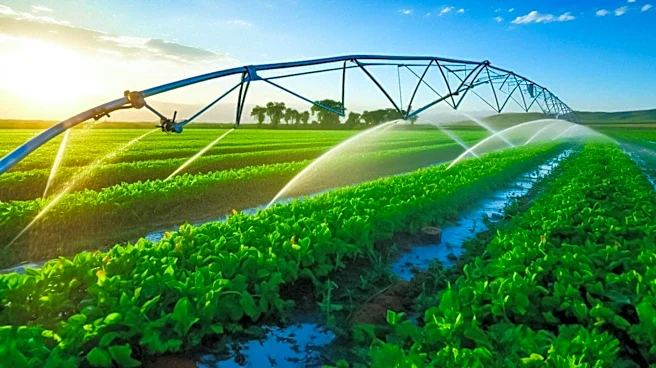
on his 16-acre Ackerly Pond Lane property. However, the Southold Land Preservation Committee has raised concerns about how the farm will be irrigated without its own well. Committee members, including William Lee, suggested that irrigating 5 to 16 acres could require a significant water supply, potentially 70 gallons per minute, necessitating a well. Mr. Callahan initially intends to use public water from Jasmine Lane, reducing his requested service from a four-inch to a one-inch line, believing it will suffice. The town has a financial stake in keeping the property in agricultural use, having purchased its development rights for $1.15 million in 2007.
Why It's Important?
This situation highlights the growing complexities and regulatory hurdles faced by agricultural developers in suburban and rural areas of the U.S., particularly concerning resource management like water. The dispute underscores the tension between agricultural development, environmental concerns, and community interests. For local governments, ensuring sustainable land use and protecting natural resources while supporting economic activity is a delicate balance. The need for a well, estimated to cost between $50,000 and $75,000, represents a significant financial burden for an aspiring farmer, potentially impacting the viability of small-scale agricultural ventures. This case also reflects broader issues of water scarcity and the increasing scrutiny of water usage in agricultural practices, especially in regions experiencing population growth and environmental changes.
What's Next?
The Land Preservation Committee has advised Mr. Callahan to develop a more detailed farming plan, including specifics on crops and irrigation methods, before seeking their support. He will need to address the committee's concerns regarding water supply, potentially by reconsidering the installation of a well. The ongoing neighborhood dispute, which previously centered on the chicken farm and now includes the location of an agricultural storage barn, suggests that Mr. Callahan will continue to face community scrutiny. Future discussions will likely involve detailed assessments of water usage, environmental impact, and the long-term sustainability of the proposed organic farm. The outcome of these discussions will determine the feasibility of the project and could set precedents for similar agricultural developments in the region.
Beyond the Headlines
The Southold farm dispute delves into the intricate relationship between land preservation, agricultural viability, and community development. The town's prior investment in purchasing development rights for agricultural use demonstrates a commitment to preserving farming heritage, yet the practicalities of modern farming, such as water access and neighbor relations, present ongoing challenges. This case also touches upon the broader shift towards organic farming and the associated infrastructure requirements. The committee's advice to consider drip irrigation and avoid disturbing wet soil during colder months reflects a growing emphasis on sustainable and environmentally conscious farming practices. The financial strain of establishing a farm, particularly for an undergraduate like Mr. Callahan, underscores the economic realities and barriers to entry for new farmers, even with land designated for agricultural use.