
What's Happening?
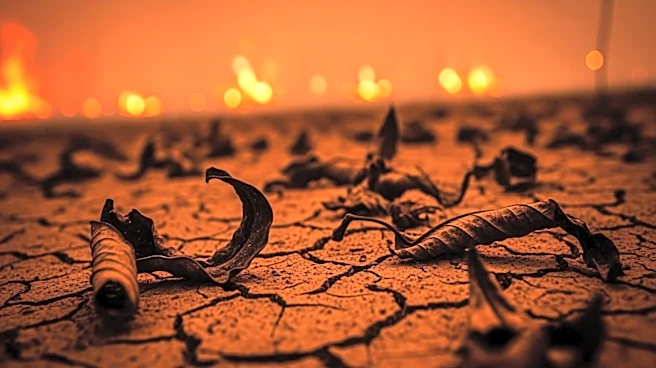
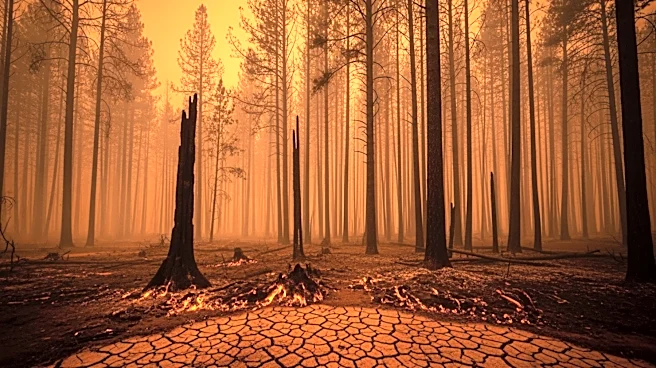
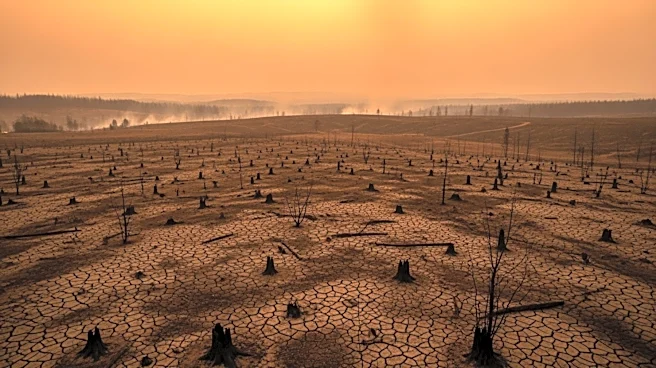
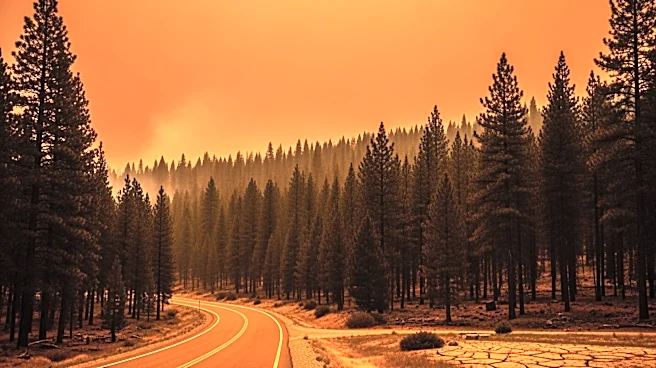
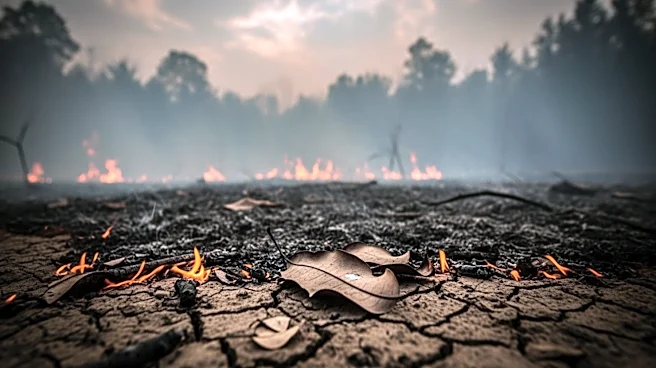
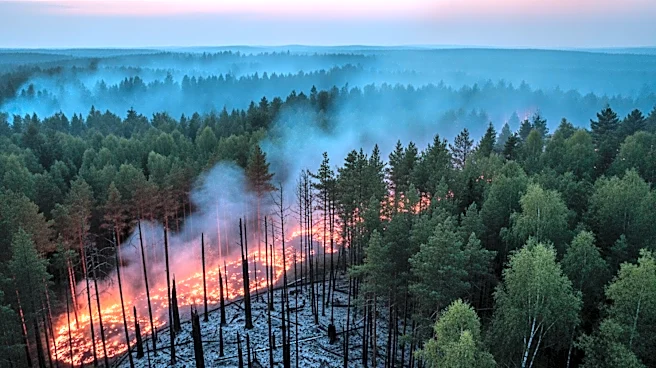
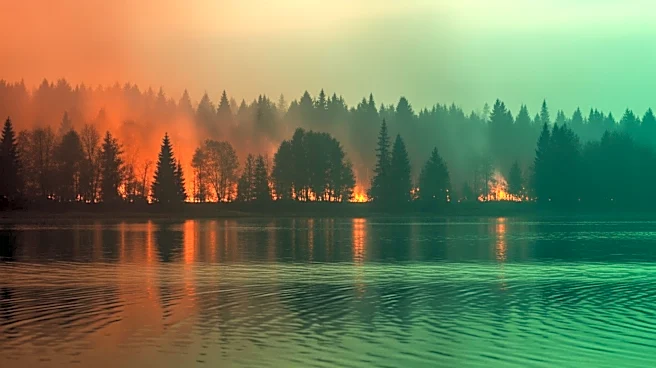
Massive wildfires have erupted in Florida and Georgia, causing significant damage and prompting emergency responses. These wildfires have spread rapidly due to dry conditions and high winds, threatening
homes and wildlife habitats. In a separate incident, a deadly chemical spill occurred in West Virginia, leading to concerns over environmental and public health impacts. The spill has resulted in the contamination of local water sources, prompting authorities to issue warnings and initiate cleanup efforts. These events have drawn attention to the vulnerabilities of these regions to natural and man-made disasters.
Why It's Important?
The wildfires in Florida and Georgia highlight the increasing frequency and intensity of such events, likely exacerbated by climate change. These fires pose a threat to human life, property, and ecosystems, necessitating robust emergency management and mitigation strategies. The chemical spill in West Virginia underscores the risks associated with industrial activities and the need for stringent safety regulations to prevent environmental contamination. Both incidents have significant implications for public safety, environmental policy, and resource allocation for disaster response and recovery efforts.
What's Next?
In response to the wildfires, firefighting teams are working to contain the blazes, while local governments may consider implementing stricter fire prevention measures. The chemical spill cleanup in West Virginia will involve coordinated efforts between environmental agencies and local authorities to mitigate the impact on water quality and public health. These events may prompt legislative reviews of environmental and safety regulations to prevent future occurrences. Community support and federal assistance may be sought to aid recovery and rebuild affected areas.