






What's Happening?
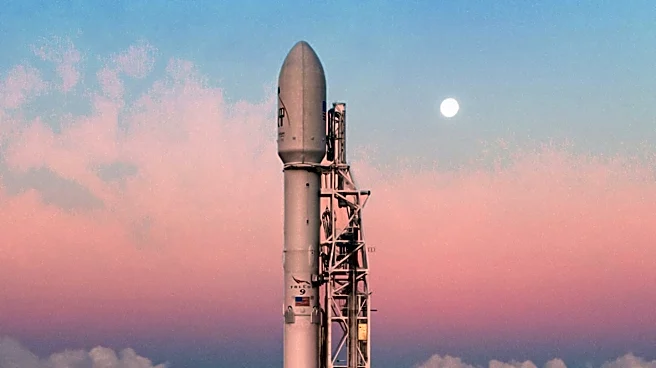
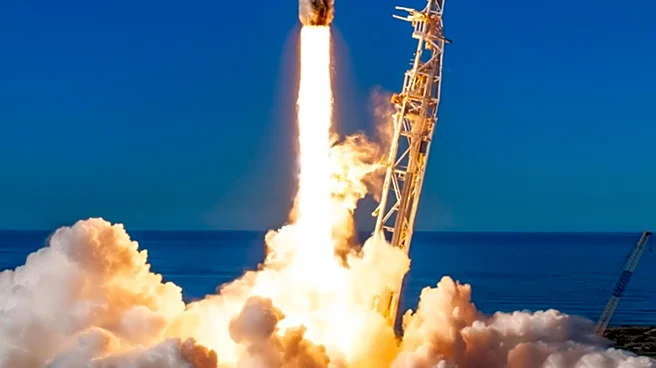
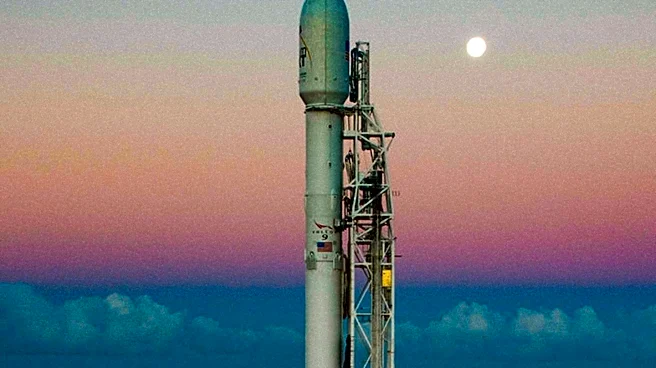
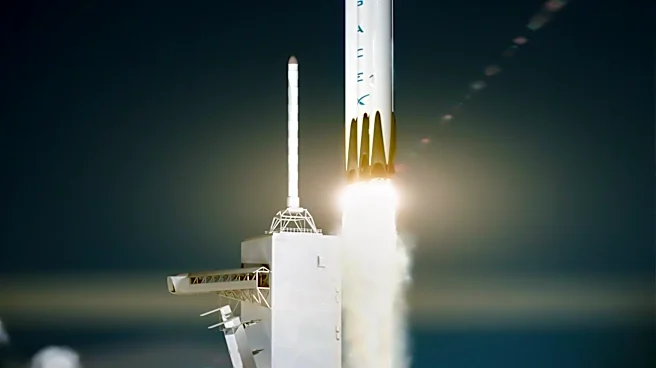
A SpaceX Falcon 9 rocket's upper stage is on a collision course with the moon, expected to impact on August 5, 2026. This unplanned event is a result of solar activity and gravitational forces altering the rocket's trajectory after its mission in January
2025, which involved deploying two commercial lunar landers. The crash itself poses no immediate danger but underscores a significant regulatory issue. Currently, there is no comprehensive international framework to manage activities that could permanently alter the lunar environment. The 1967 Outer Space Treaty, which governs space activities, lacks detailed provisions for lunar governance, leaving countries responsible for supervising their space companies.
Why It's Important?
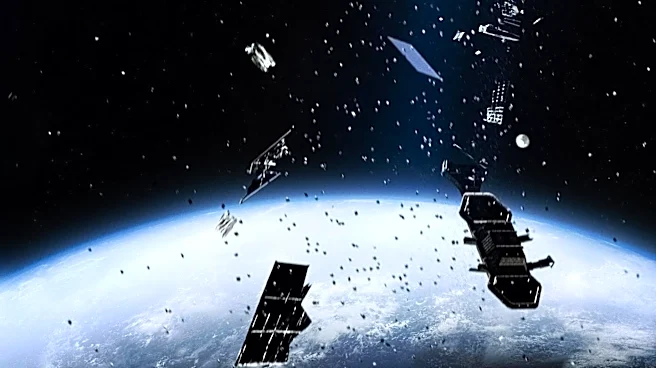
The impending crash of the SpaceX rocket into the moon highlights the urgent need for international regulations governing lunar activities. As both governmental and commercial entities plan to establish a permanent presence on the moon, the absence of a regulatory framework could lead to uncoordinated and potentially harmful activities. This situation raises concerns about the preservation of lunar heritage sites and the potential for diplomatic conflicts over lunar resources. The incident also points to the broader issue of space debris and the responsibilities of space-faring nations to manage their space activities sustainably.
What's Next?
The United Nations Office for Outer Space Affairs and the United Nations Committee on the Peaceful Uses of Outer Space are exploring solutions to better regulate lunar activities. These institutions are working on frameworks to coordinate space resource management and ensure that lunar activities benefit all humanity. However, they face challenges due to limited resources and the rapid pace of commercial space exploration. The outcome of these efforts will be crucial in shaping the future of lunar exploration and ensuring that it is conducted responsibly.
Beyond the Headlines
The SpaceX rocket crash serves as a reminder of the potential legal and financial liabilities associated with space exploration. Companies could face significant costs if their activities damage lunar equipment or sites of cultural or scientific importance. This incident also highlights the need for greater transparency and coordination among space-faring nations to prevent accidents and ensure the sustainable use of lunar resources.