








What's Happening?
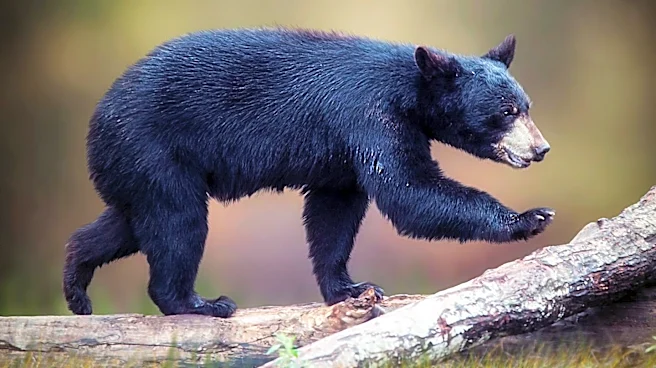
Maggie Schwartz, a resident of Jackson, Wyoming, was attacked by a black bear while hiking on Teton Pass on August 10. The incident occurred on a trail she frequently uses. During her hike, a black bear knocked her face-down into the brush and proceeded
to bite her. Schwartz managed to spray the bear directly in its face with bear spray, causing the animal to flee. She sustained three puncture wounds and scratches, which were treated at an emergency room in Jackson. Investigators from Wyoming Game and Fish characterized the attack as a surprise, defensive encounter involving a presumed black bear sow with at least one cub in an area with dense vegetation and low visibility. No further management action is planned as no bears were found when investigators returned. Schwartz's phone, which was in her back pocket, was found with a tooth mark, explaining why there were only three puncture wounds instead of the expected four.
Why It's Important?
This incident highlights the critical importance of preparedness and awareness for individuals hiking in bear country, even on familiar trails. Schwartz's ability to quickly deploy bear spray was a decisive factor in her survival, underscoring the effectiveness of such deterrents when accessible and properly used. The event also serves as a reminder that popular and frequently used trails are still part of the backcountry, where encounters with wildlife are possible. The Wyoming Game and Fish Department emphasized that carrying bear spray and knowing how to use it can make a significant difference in unpredictable situations. This incident reinforces public safety messages about hiking in areas with bear populations, particularly regarding the need to be vigilant, make noise, and understand bear behavior, especially when cubs are present.
What's Next?
Following the incident, Maggie Schwartz has not returned to the specific trail where the attack occurred, opting for paths with more people and dogs. Wyoming Game and Fish has concluded its investigation, and no further action is planned regarding the bear. The department continues to advise hikers to be prepared, carry bear spray, and be aware of their surroundings, especially in areas with dense vegetation or near potential food sources for bears. The incident may prompt increased public awareness campaigns about bear safety in Wyoming's recreational areas. Hikers are encouraged to keep dogs leashed or under voice control and to hike in groups to minimize risks. The long-term emotional and physical recovery for Schwartz will continue, as she processes the traumatic event.
Beyond the Headlines
The attack on Maggie Schwartz brings to light the often-underestimated risks of wildlife encounters in seemingly routine outdoor activities. Her experience underscores the psychological impact of such events, as she described randomly crying and feeling that the incident happened to a different person. The detail about her realizing she had been using her bear spray holster incorrectly highlights a common oversight in preparedness: owning safety equipment is not enough; one must also know how to use it effectively under pressure. Furthermore, Schwartz's empathy for the bear, recognizing it as a mother protecting her cub, offers a nuanced perspective on human-wildlife interactions, moving beyond simple fear to an understanding of natural instincts. This incident serves as a powerful narrative for promoting responsible outdoor recreation and fostering a respectful coexistence with wildlife.