






What's Happening?
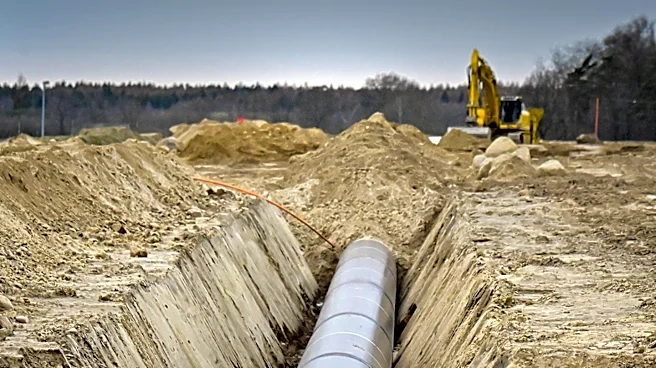
Canada has reached a new milestone in the development of the West Coast Oil Pipeline (WCOP), which aims to transport an additional 1 million barrels per day of oil sands output to the British Columbia coast. This project involves collaboration between
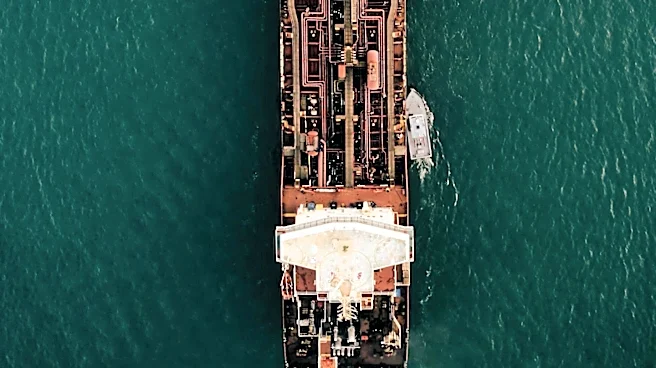
major oil sands producers, the Alberta provincial government, and the federal government. The pipeline is part of a broader strategy to expand Canada's oil export capacity, particularly to Asian markets. The agreement includes commitments to carbon capture and storage projects to reduce emissions, a key condition set by the federal government.
Why It's Important?
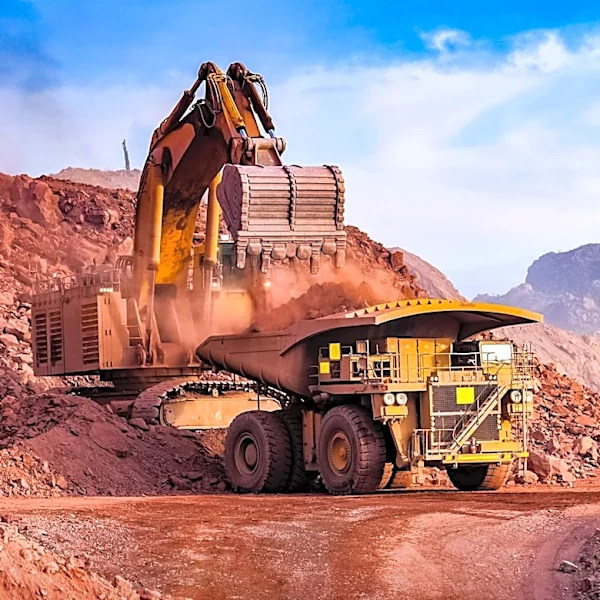
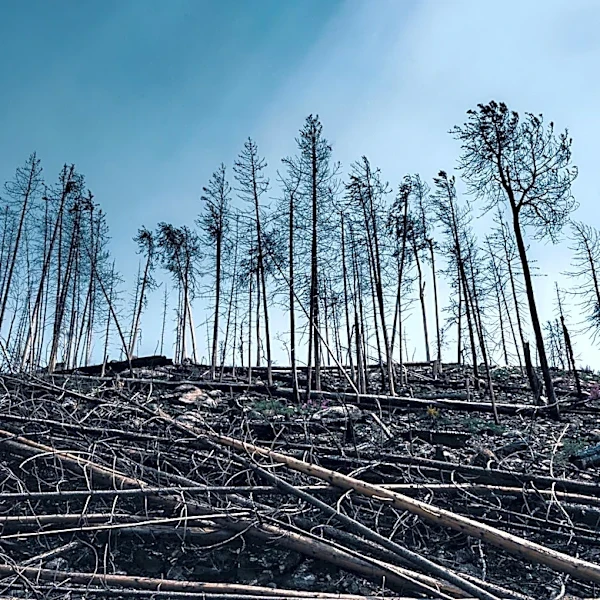
The WCOP project is significant for Canada's energy sector as it seeks to diversify its export markets beyond the United States. By increasing oil exports to Asia, Canada aims to enhance its energy sovereignty and reduce reliance on U.S. markets. The project also promises economic benefits, including job creation and increased investment in the oil sands industry. However, it faces criticism from environmental groups who argue that the emissions reductions are insufficient compared to the potential environmental impact of increased oil production.
What's Next?
The WCOP will require additional permits and regulatory approvals before construction can begin. The project is expected to face opposition from environmental activists and potentially legal challenges. The Canadian government and oil producers will need to address these concerns while advancing the pipeline's development. The success of the project will depend on balancing economic growth with environmental sustainability, a challenge that will require careful negotiation and planning.