
What's Happening?
Croatia has experienced a significant decline in potato production over the past five years, dropping from near self-sufficiency to meeting only 40% of domestic demand. This decline is attributed to a combination
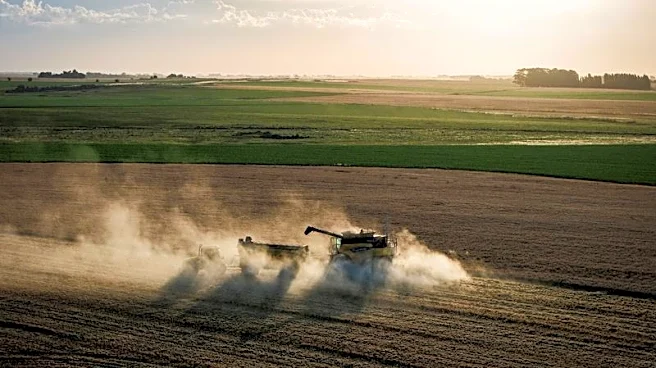
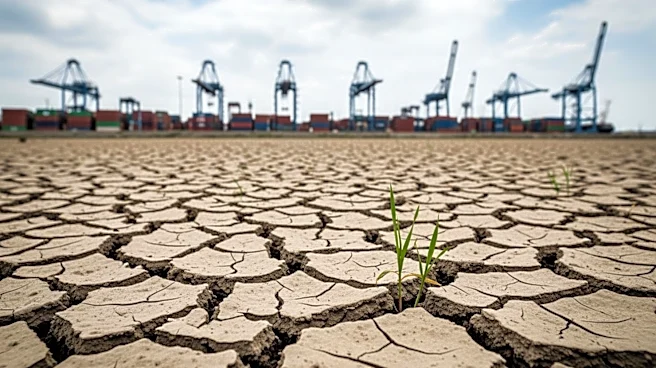
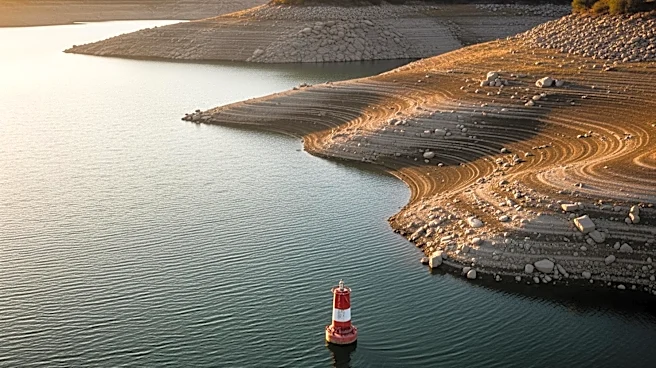
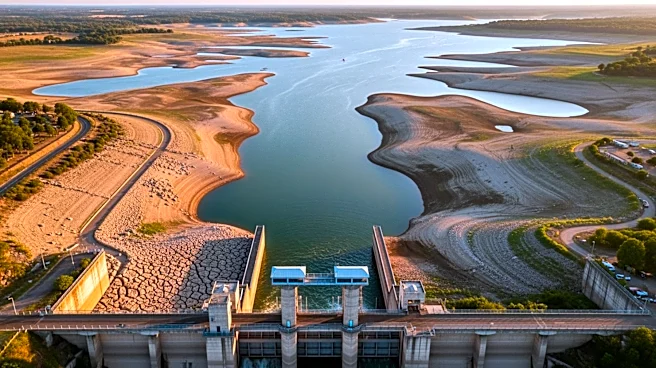
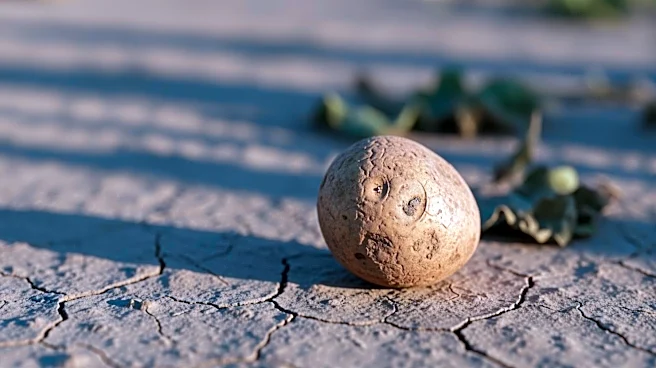
of climate change, prolonged drought, and increased imports from Western Europe. The Međimurje region, in particular, suffered from extreme drought conditions that severely impacted crop yields, with farmers harvesting only about a third of the usual 40 tonnes per hectare. The financial repercussions have been severe, with losses amounting to millions of euros. Local producers are struggling to remain competitive against lower-priced imports, which have flooded Eastern European markets. Rising production costs, including those for fertilizers, have further strained the sector, leading to a 20% reduction in the area planted with potatoes.
Why It's Important?
The decline in potato production in Croatia highlights the broader challenges faced by agricultural sectors globally due to climate change and market dynamics. The situation underscores the vulnerability of local producers to external market pressures and environmental changes. The financial losses and reduced competitiveness could lead to a significant restructuring of the agricultural sector in Croatia, potentially resulting in job losses and economic instability in rural areas. The increased reliance on imports also raises concerns about food security and the sustainability of local agriculture. The situation calls for urgent adaptation measures, such as improved irrigation systems and government support, to mitigate the impact of climate change and stabilize the market for domestic producers.
What's Next?
To address these challenges, Croatian farmers and policymakers are considering several strategies. There is a push for the implementation of irrigation systems to reduce the impact of droughts. Additionally, government support measures are being discussed to help farmers cope with the financial losses caused by extreme weather conditions. However, without stronger market protection and sustained investment in the agricultural sector, the future of potato farming in Croatia remains uncertain. The situation may prompt further discussions on agricultural policy reforms and international trade agreements to protect local producers from unfair competition.