




What's Happening?
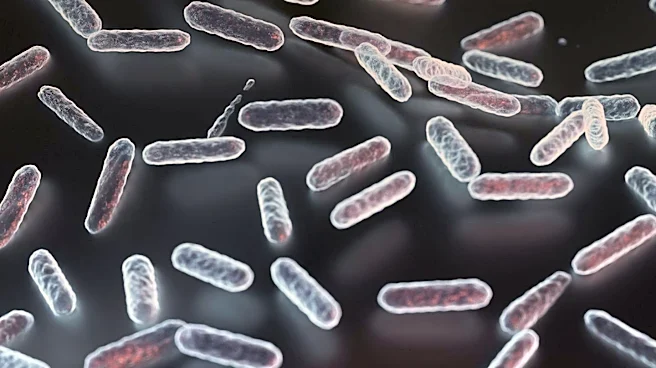
Scientists and clinicians are actively investigating the gut microbiome's role in health, particularly its connection to autism and the gut-brain axis. Research indicates that children with autism often exhibit different and less diverse gut microbes
compared to children without the condition or digestive issues. These microbes act as messengers, communicating with the brain through the gut-brain axis by producing various chemicals, including waste products or metabolites. Specific microbes, such as Clostridia, are being studied for their potential impact on behavior and brain function due to their metabolite production, like propionic acid. Conversely, beneficial microbes like Akkermansia, which supports gut lining health, and Prevotella, linked to fiber-rich diets, are often found in lower amounts in children with autism. The research explores interventions such as providing prebiotics through diverse plant-based diets, augmenting with specific probiotics, and replacing or enhancing low postbiotics like metabolites, peptides, vitamins, and minerals to improve bodily function.
Why It's Important?
This research holds significant importance for the U.S. healthcare landscape, particularly in understanding and potentially managing complex conditions like autism. The findings suggest that the gut microbiome is not merely involved in digestion but plays a crucial role in broader health, including neurological functions and behavior. For the medical community, this opens new avenues for diagnostic tools and therapeutic interventions that target the gut microbiome. For families and individuals affected by autism, it offers hope for non-pharmacological approaches to alleviate symptoms, especially digestive issues that are commonly reported. The emphasis on prebiotics, probiotics, and postbiotics also highlights the growing recognition of nutritional interventions as a component of comprehensive care, potentially influencing dietary guidelines and supplement recommendations for specific populations.
What's Next?
Future research will likely delve deeper into the specific mechanisms by which gut microbes influence brain function and behavior in individuals with autism. This could lead to the identification of precise microbial signatures or metabolic pathways that serve as biomarkers for diagnosis or treatment efficacy. The development of highly targeted prebiotic, probiotic, and postbiotic interventions is also anticipated, moving beyond general supplementation to personalized microbial therapies. Furthermore, there may be increased collaboration between gastroenterologists, neurologists, and nutritionists to integrate gut health strategies into holistic treatment plans. Educational initiatives for healthcare providers and the public will be crucial to disseminate these findings and ensure responsible application of microbiome-based interventions, avoiding a one-size-fits-all approach.
Beyond the Headlines
The exploration of the gut-brain axis in autism raises profound ethical and philosophical questions about the nature of identity and the influence of our internal microbial ecosystem on our thoughts and behaviors. Legally, the development of microbiome-based therapies will necessitate careful consideration of regulatory frameworks for novel biological interventions. Culturally, this research could challenge traditional views of health and disease, fostering a greater appreciation for the intricate balance within the human body and its environment. It also underscores the importance of diet and lifestyle choices in shaping our microbial communities and, consequently, our overall well-being. The long-term implications could include a paradigm shift in how mental and neurological conditions are understood and treated, moving towards more integrated and personalized approaches that consider the entire human ecosystem.