



What's Happening?
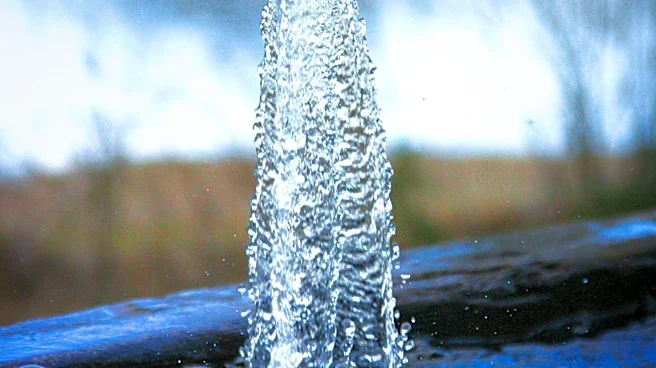
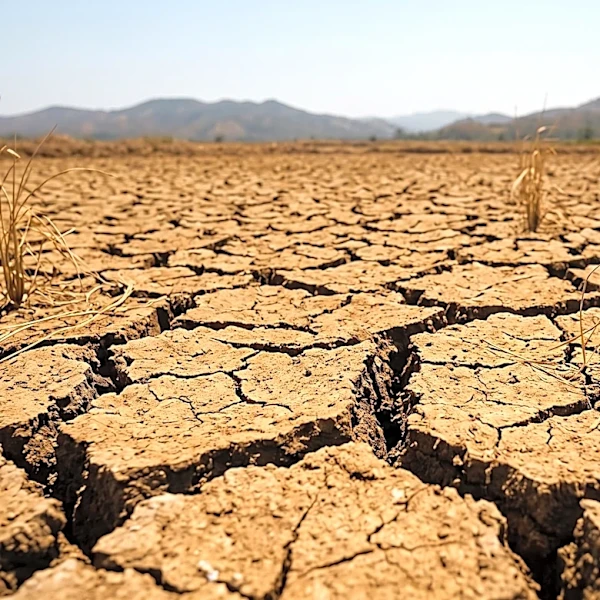
The town of Amherst, Virginia, has initiated emergency pumping measures to maintain its water supply as a severe drought persists. This action comes one week after the town began using a pump to draw water from a dried-up creek. Amherst has been under
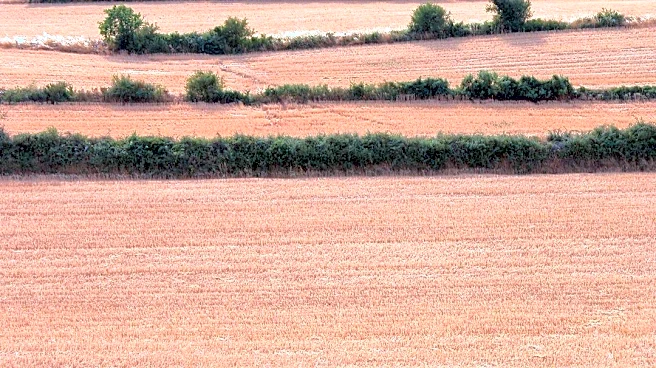
heightened water conservation restrictions since late August, following an earlier period of voluntary conservation. Town Manager Sara McGuffin stated that the new pump is critical for ensuring a steady water supply, as without it, the town would face insufficient water and potentially need to ration water to residents. The drought has also significantly impacted local agriculture, with one orchard owner reporting that about half of their apple trees did not produce fruit due to the dry conditions. Despite the emergency pumping currently meeting the town's needs, officials are not easing water rules and continue to request residents to conserve water.
Why It's Important?
The situation in Amherst underscores the immediate and tangible impacts of drought on U.S. communities, affecting both daily life and local economies. The implementation of emergency pumping highlights the critical infrastructure challenges faced by municipalities when natural resources are strained. For residents, the mandatory conservation measures and the potential for water rationing represent a significant disruption and a call for collective action. Economically, the drought's impact on agricultural yields, such as the apple orchard, demonstrates direct financial losses for local businesses and could lead to broader food supply concerns if widespread. This event serves as a stark reminder of the vulnerability of water systems to climate variability and the necessity for robust drought preparedness and management strategies at the local level.
What's Next?
Amherst officials will continue to monitor water levels and the effectiveness of the emergency pumping. The town plans to maintain its current water conservation restrictions, urging residents to continue their efforts to save water. The long-term outlook for the drought remains uncertain, meaning the emergency measures could be in place for an extended period. The experience may prompt the town to explore more permanent solutions for water security, such as investing in alternative water sources, improving water infrastructure, or developing more comprehensive drought response plans. Residents should anticipate ongoing restrictions and potential further measures if the drought conditions do not improve. The agricultural sector in the area will likely face continued challenges, potentially leading to adjustments in farming practices or crop choices in future seasons.
Beyond the Headlines
The Amherst drought situation brings to light the broader implications of climate change on local communities and their essential services. Beyond the immediate water supply issues, prolonged drought can exacerbate ecological stress, impact biodiversity, and increase the risk of wildfires. The reliance on emergency measures, while necessary, points to a reactive rather than proactive approach, highlighting the need for long-term climate resilience planning. This includes not only infrastructure improvements but also public education on water conservation and sustainable land use practices. The psychological impact on residents, as expressed by Joan Robinson's worries about water rationing, underscores the emotional toll of environmental crises. This event could serve as a catalyst for community-wide discussions on water stewardship and the collective responsibility in adapting to a changing climate.