








What's Happening?
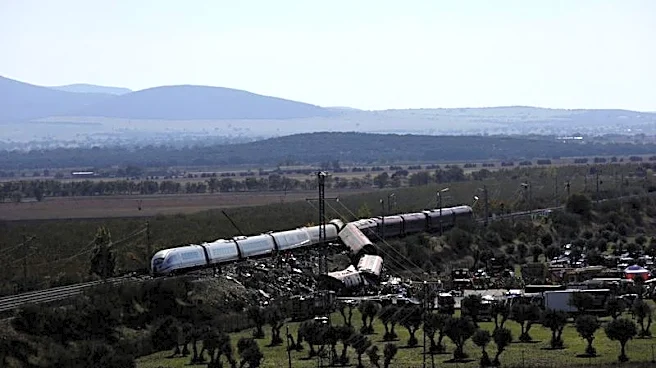
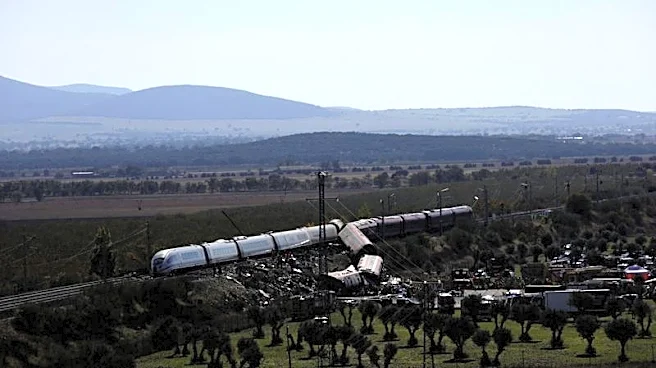
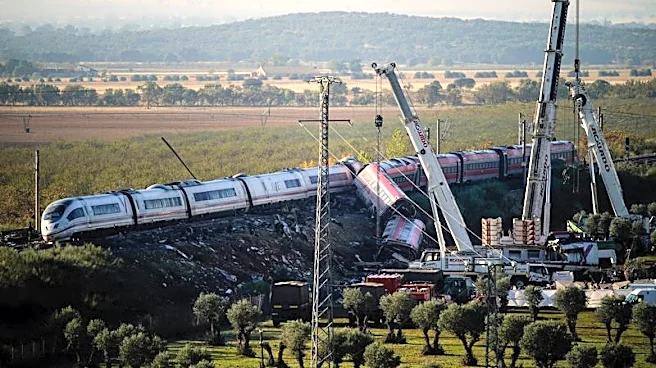
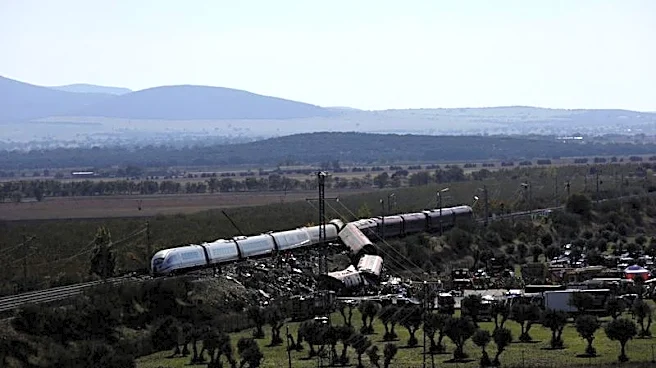
Since ascending the throne in June 2014, King Felipe VI and Queen Letizia of Spain have frequently engaged with the public during national crises, a pattern highlighted by their response to the recent train crash in Urda, Toledo. This incident, which
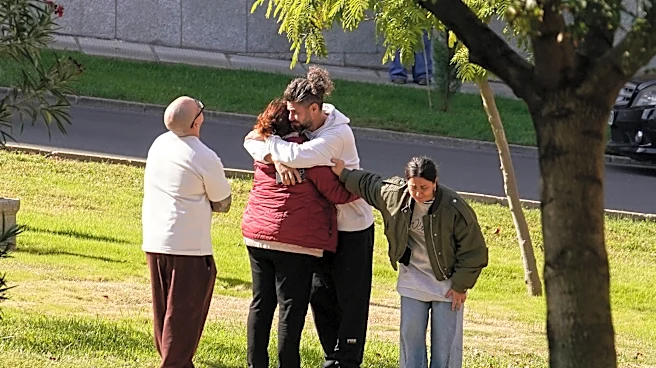
occurred on October 28, resulted in numerous fatalities and injuries, prompting the royal couple to visit the affected area and offer condolences. Their reign has been characterized by a series of such engagements, including visits to victims of terrorist attacks, natural disasters, and previous railway accidents. These visits often involve direct interaction with grieving families and emergency services, demonstrating a commitment to being present with the Spanish people during their darkest hours.
Why It's Important?
The consistent presence of King Felipe VI and Queen Letizia during national tragedies underscores the unique and evolving role of the monarchy in modern Spain. Beyond ceremonial duties, they serve as a non-political symbol of national unity and empathy, providing comfort and a sense of stability when the country faces profound loss. Their direct engagement, often involving emotional encounters with affected citizens, helps to humanize the institution and reinforce its connection with the populace. This approach is particularly significant in a constitutional monarchy, where the royals' ability to transcend political divides allows them to act as a unifying force, offering solace and support that other governmental figures might not be able to provide in the same way.
What's Next?
Following the recent train crash, the royal couple will likely continue to monitor the situation and offer support as investigations proceed and recovery efforts continue. Their past responses to similar events suggest a sustained engagement with the affected communities, potentially including follow-up visits or participation in memorial services. The ongoing investigations into the train crash will be crucial in determining its causes and implementing measures to prevent future occurrences, a process the monarchy will likely observe closely. This pattern of engagement reinforces the expectation that the King and Queen will remain a visible and compassionate presence during future national challenges.
Beyond the Headlines
The repeated exposure of King Felipe VI and Queen Letizia to national traumas, from the Germanwings crash to the Barcelona terrorist attacks and various natural disasters, highlights the emotional burden of their public role. These experiences, sometimes involving public expressions of grief or even facing public anger, shape their image and the perception of the monarchy. Their willingness to engage directly with suffering, even when it means stepping outside traditional protocol, demonstrates a modern approach to royal duty. This commitment to being 'at the closest' to the Spanish people during crises has become a defining characteristic of their reign, solidifying their position as a source of national comfort and resilience.