



What's Happening?
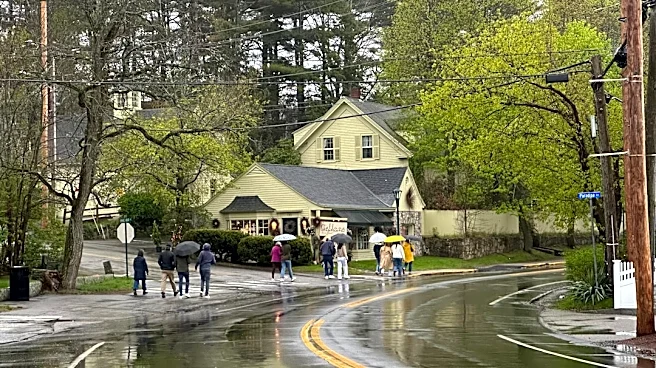
A flood watch has been issued for parts of Massachusetts, including southern Worcester County, Norfolk County, southeast Massachusetts, and Rhode Island, as well as eastern Connecticut. The watch is in effect from late Saturday night through Sunday afternoon,
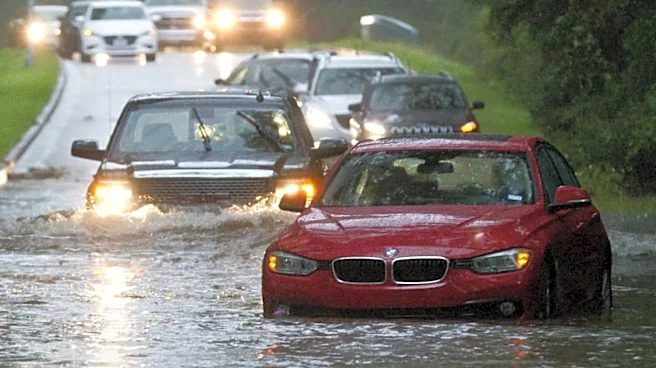
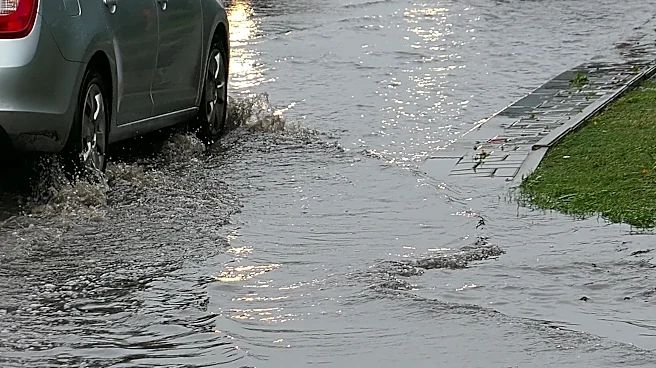
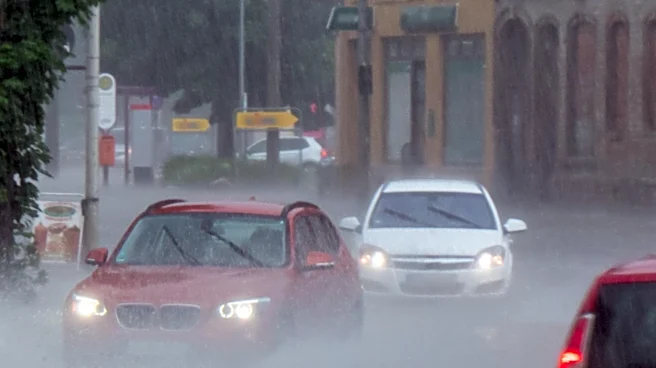
with the primary concern for heavy rainfall between 7 a.m. and 5 p.m. on Sunday, and the greatest potential for intense downpours through 3 p.m. Most areas are expected to receive 0.50 to 2 inches of rain, but localized narrow bands of torrential rain could lead to 2 to 4 inches falling within just three hours. This amount of rain is sufficient to cause localized flash flooding, particularly in urban areas with inadequate drainage systems. Residents are advised to avoid driving through flooded roadways.
Why It's Important?
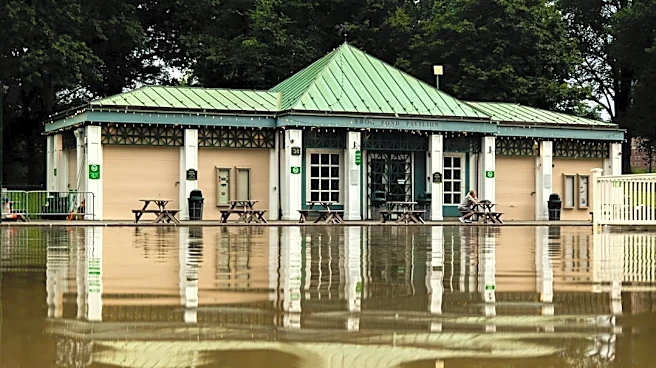
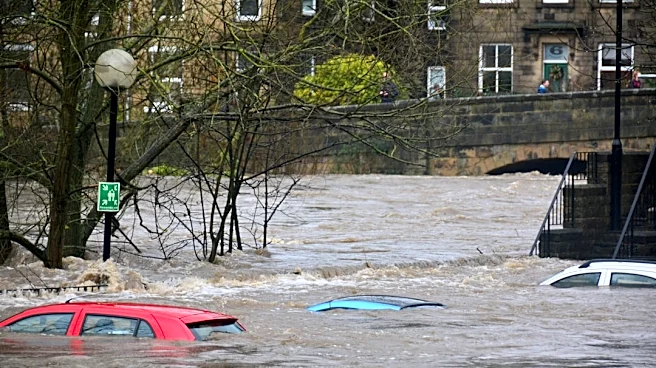
This flood watch is important due to the potential for significant disruption and danger to residents and infrastructure in the affected Massachusetts regions. Flash flooding can lead to hazardous driving conditions, road closures, and property damage, impacting daily commutes and local businesses. Urban areas are particularly vulnerable, as rapid water accumulation can overwhelm drainage systems, leading to street flooding and potential basement inundations. The economic impact can include repair costs for damaged property and infrastructure, as well as losses for businesses forced to close. Public safety is a primary concern, with authorities urging caution to prevent accidents and fatalities associated with flooded roads.
What's Next?
Residents in the affected areas should monitor weather updates closely and be prepared for potential flooding. Emergency services will likely be on high alert to respond to any incidents. After the heavy rainfall, authorities will assess any damage to infrastructure and property. There may be temporary road closures and advisories for travel. The focus will then shift to recovery efforts, which could involve clearing debris, repairing damaged roads, and assisting affected homeowners and businesses. The event may also prompt discussions about improving urban drainage systems and flood preparedness strategies in vulnerable communities.
Beyond the Headlines
Beyond the immediate concerns of flooding, this event highlights the broader challenges posed by increasingly unpredictable weather patterns, potentially linked to climate change. The emphasis on localized, intense rainfall events suggests a need for more granular and dynamic weather forecasting and emergency response planning. It also underscores the importance of resilient infrastructure, particularly in urban environments, to mitigate the impacts of sudden and heavy precipitation. The repeated occurrence of such weather events could lead to long-term shifts in urban planning, insurance policies, and public awareness campaigns regarding flood risks and preparedness.