



What's Happening?
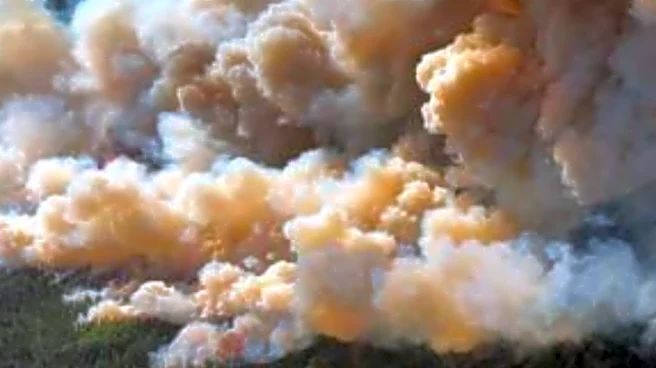
New York City is experiencing a surge in climate-related public health threats, including extreme heat, wildfire smoke, and increased cases of Legionnaires’ disease. According to city officials, these issues are exacerbated by climate change, which is causing
more frequent and severe weather events. The city has been reclassified as a subtropical climate, with predictions of more days exceeding 95 degrees Fahrenheit in the coming decades. This shift is expected to increase the prevalence of vector-borne diseases and foodborne illnesses, as extreme weather can overwhelm sewage systems and contaminate crops. The city is taking steps to address these challenges, such as opening more cooling centers and enforcing regulations to reduce greenhouse gas emissions.
Why It's Important?
The rising climate-related health threats in New York City highlight the broader impact of climate change on urban environments. These developments pose significant challenges for public health infrastructure, which may struggle to cope with overlapping crises. Vulnerable populations, such as low-income and Black communities, are disproportionately affected, facing higher risks from extreme heat and related health issues. The situation underscores the need for comprehensive climate adaptation strategies and public health preparedness to mitigate the effects of climate change. Additionally, the economic implications are significant, as increased utility costs and healthcare demands strain resources.
What's Next?
New York City is focusing on both immediate and long-term strategies to combat climate-related health threats. This includes enhancing infrastructure to withstand extreme weather, increasing tree cover, and improving building compliance with emissions regulations. The city is also investing in coastal resilience projects to protect against flooding. Community organizations are playing a crucial role in gathering data and advocating for policies to support vulnerable populations. As climate change continues to impact urban areas, these efforts will be essential in ensuring public safety and resilience.
Beyond the Headlines
The ongoing climate challenges in New York City reflect a broader trend of urban areas grappling with the effects of climate change. The city's experience serves as a case study for other metropolitan regions facing similar issues. The ethical dimension of climate justice is also highlighted, as marginalized communities bear the brunt of climate impacts. This situation calls for equitable policy solutions that address both environmental and social disparities. The cultural shift towards community resilience and local organizing is a positive development, fostering a sense of empowerment and collective action in the face of climate adversity.