







What's Happening?
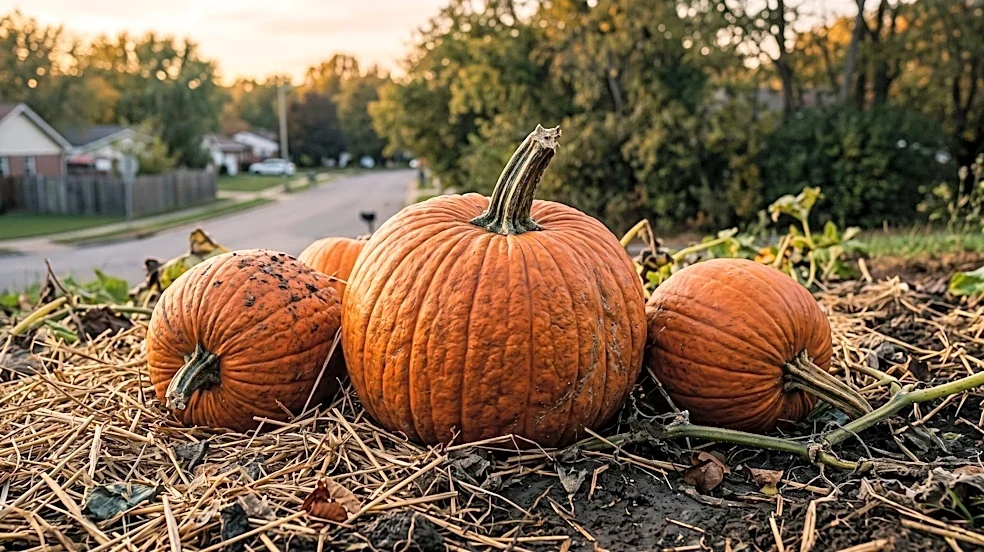
Belmont Pumpkins, a popular fall tradition in Grand Forks operated by Jodi and Danny Carlson for 18 years, is facing a potential shutdown by the city. The city claims the pumpkin patch, located in front of the Carlsons' home, violates city zoning rules
that prohibit the retail sale of products in a single-family residential district. The issue first arose two years ago when the city delivered a letter to the Carlsons after receiving a complaint about increased traffic. While they closed for the remainder of that year, they reopened last year without further complaints. This year, the Carlsons are operating under a donation system to cover expenses and continue their tradition of donating half their crop to local organizations, including the city. However, a new complaint was filed this week, and the city is now investigating whether this donation system complies with city code.
Why It's Important?
This situation highlights a common tension between community traditions, small-scale entrepreneurship, and municipal zoning regulations. For the Carlsons, Belmont Pumpkins is described as a 'labor of love' that provides a cherished fall experience for thousands of families and significant charitable contributions to local organizations. The potential shutdown could mean the loss of a beloved community event and a source of donations for various groups. For the city, the enforcement of zoning laws is about maintaining residential character, managing traffic, and responding to citizen complaints. The outcome of this dispute could set a precedent for how similar home-based, community-oriented activities are regulated in Grand Forks, potentially impacting other small ventures that blend residential living with public engagement.
What's Next?
The city of Grand Forks is currently investigating whether the new donation system implemented by the Carlsons for Belmont Pumpkins complies with existing city code. City leaders have not provided a timeline for how they plan to proceed. The Carlsons are left in uncertainty, wondering if this will be the final year for their pumpkin patch. Potential next steps could include further dialogue between the Carlsons and city officials to find a compromise, a formal ruling by the city on the legality of the donation system, or a public appeal from the community to preserve the tradition. The situation may also prompt a review of existing zoning ordinances to better accommodate community-focused, non-commercial or semi-commercial activities in residential areas.
Beyond the Headlines
Beyond the immediate conflict over zoning, this story touches on broader themes of community identity, local traditions, and the evolving nature of residential spaces. Belmont Pumpkins represents more than just a place to buy pumpkins; it's a community gathering spot and a source of local pride and charitable giving. The city's enforcement of zoning laws, while legally sound, can sometimes clash with the social fabric and informal economies that enrich neighborhoods. This case raises questions about the flexibility of urban planning to adapt to community-driven initiatives that may not fit neatly into traditional commercial or residential categories. It also underscores the power of citizen complaints in shaping local policy and the challenge for municipalities to balance regulatory adherence with community sentiment and the desire to preserve local character.