
What's Happening?
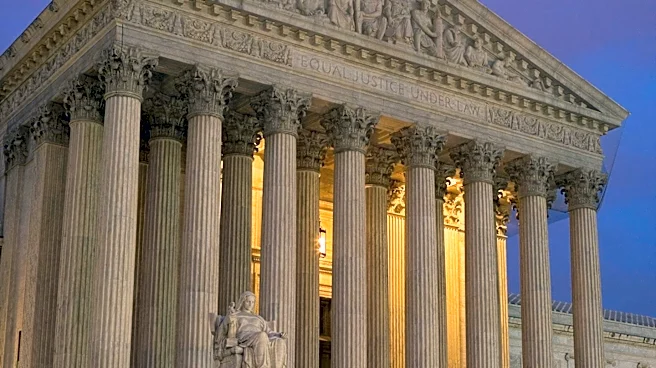
Recently released documents have unveiled Justice Antonin Scalia's pivotal role in the Supreme Court's decision to hear a case involving then-Vice President Dick Cheney's energy task force. Initially,
the justices voted against taking the case, which sought to keep certain task force records private. However, Scalia persuaded his colleagues to reconsider, leading to a decision that ultimately favored Cheney. This case became controversial due to Scalia's duck hunting trip with Cheney, raising questions about judicial ethics and impartiality.
Why It's Important?
The revelation of Scalia's influence in this case underscores ongoing concerns about judicial ethics and the potential for conflicts of interest within the Supreme Court. The case itself, which involved executive privilege and transparency, has lasting implications for how executive power is exercised and checked. The controversy highlights the importance of maintaining public trust in the judiciary and ensuring that justices remain impartial, especially in cases involving high-profile political figures.
Beyond the Headlines
The Scalia-Cheney case serves as a reminder of the delicate balance between personal relationships and professional responsibilities in the judiciary. It raises ethical questions about the extent to which justices can engage in social activities with political figures without compromising their impartiality. This case also reflects broader debates about the transparency of the Supreme Court's decision-making processes and the need for clear ethical guidelines to prevent conflicts of interest.