






What's Happening?
The San Diego County Board of Supervisors has voted 3-2 to terminate agreements allowing Immigration and Customs Enforcement (ICE) and Customs and Border Protection (CBP) to use the San Diego Regional Firearms Training Center in Otay Mesa. This decision
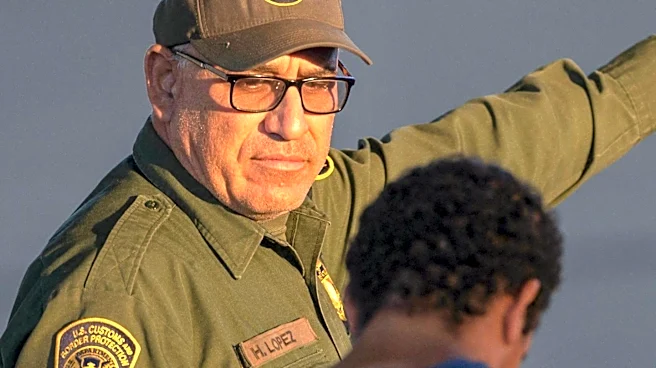
follows concerns raised by supervisors that the use of county facilities by federal immigration enforcement agencies erodes community trust, particularly in light of past immigration crackdowns. However, Sheriff Kelly Martinez has stated her intention to allow CBP to continue using the shooting range for training, despite supporting the termination of ICE's access. The Sheriff's Department, CBP, and the San Diego Regional Chamber of Commerce have all expressed concerns that restricting CBP's access could lead to longer wait times at the border and San Diego International Airport, potentially harming the local economy. The supervisors who authored the motion, Paloma Aguirre and Terra Lawson-Remer, argue that lengthy border waits are a federal responsibility and that increased immigration enforcement creates fear among vulnerable families, deterring them from accessing public services.
Why It's Important?
This decision highlights a significant conflict between local governance and federal immigration enforcement, with potential implications for border security, local economies, and community relations in San Diego County. The supervisors' move reflects a broader sentiment in some communities to distance local resources from federal immigration operations, particularly those perceived as aggressive. Conversely, the Sheriff's stance underscores the practical concerns about operational efficiency and economic impact, as CBP's ability to conduct timely training is directly linked to staffing levels and processing times at ports of entry. The disagreement also brings to the forefront the debate over the role of local entities in federal immigration matters and the balance between community trust and national security priorities. The outcome of this conflict could set a precedent for how other counties manage their relationships with federal immigration agencies, especially in border regions.
What's Next?
The immediate next steps are unclear as Supervisors Aguirre and Lawson-Remer have not yet commented on the Sheriff's opposition to their full motion. The conflict between the Board of Supervisors and the Sheriff's Department will likely require further discussion and potential legal or administrative action to resolve. Stakeholders, including the San Diego Regional Chamber of Commerce, will continue to advocate for CBP's access to the training facility due to concerns about economic repercussions. The federal government, specifically ICE and CBP, may also respond to the county's decision, potentially seeking alternative training arrangements or engaging in negotiations. The situation could also prompt similar debates in other jurisdictions that have agreements with federal immigration agencies for training or facility use.
Beyond the Headlines
This local dispute in San Diego County reflects a deeper national conversation about immigration policy, federal-local cooperation, and community trust. The supervisors' argument about the impact of federal immigration enforcement on vulnerable communities' willingness to access public services touches on critical issues of public health, safety, and social cohesion. When residents fear interaction with local authorities due to perceived ties with immigration enforcement, it can undermine efforts to address crime, provide healthcare, and ensure children's education. The debate also highlights the differing interpretations of federal agencies' roles, with some viewing CBP primarily as a border security force and others emphasizing its involvement in broader immigration enforcement. This nuanced understanding of agency functions is crucial for developing policies that balance security needs with community well-being and civil liberties.