




What's Happening?
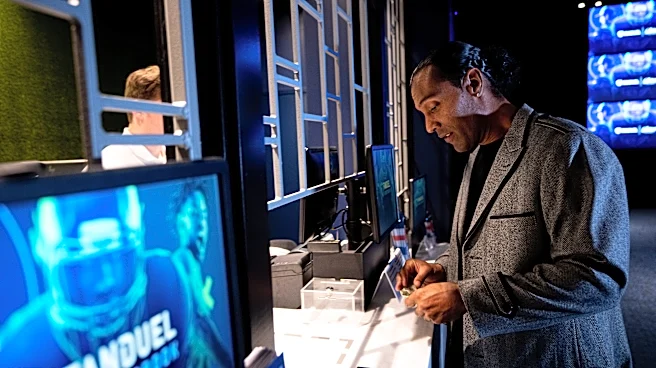
Rep. Steven Horsford participated in a session at the Global Gaming Expo (G2E) in Las Vegas, joining American Gaming Association (AGA) President and CEO Bill Miller, UNITE HERE President Gwen Mills, and Mashantucket Pequot Tribal Nation Chairman Rodney
Butler. The discussion focused on developing a coordinated industry response to the growing scrutiny of prediction markets. Key areas of concern included the impact on jobs, the principle of Tribal sovereignty, and the scope of regulatory authority. This comes as courts, Congress, and the Commodity Futures Trading Commission (CFTC) are independently increasing their examination of the prediction market sector. Casino industry leaders at G2E expressed concerns that sports event contract operators are exploiting regulatory loopholes, bypassing state licensing, taxation, and Tribal gaming agreements. Some executives, like MGM Resorts CEO Bill Hornbuckle and Caesars Entertainment CEO Tom Reeg, voiced apprehension about the sector's future and the potential for weak oversight to damage the broader gaming industry's reputation.
Why It's Important?
The coordinated effort involving Rep. Horsford and other industry leaders highlights a significant push to establish clear regulatory frameworks for prediction markets in the U.S. The debate over prediction markets has substantial implications for the gaming industry, potentially affecting revenue streams, operational compliance, and the competitive landscape. The involvement of Tribal Nation representatives underscores the critical issue of Tribal sovereignty, as any new regulations could impact existing Tribal gaming agreements and economic interests. Furthermore, the discussion touches upon consumer protection and market integrity, as concerns about misleading incentives and potential manipulation in prediction markets have been raised by the CFTC. The outcome of these regulatory discussions could redefine how financial and event-based predictions are traded, influencing investment, technology, and the broader financial services sector, while also setting precedents for emerging digital markets.
What's Next?
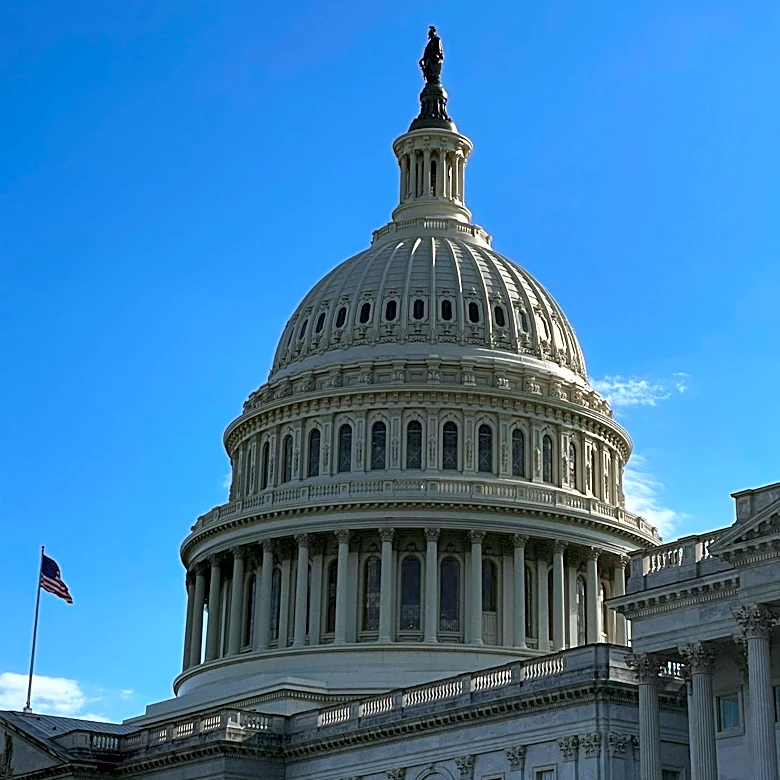
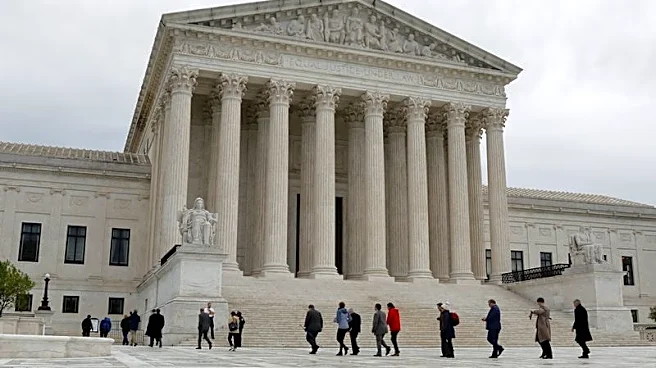
The Supreme Court is currently considering whether to hear one or more prediction-market cases, which could provide significant legal clarity or further complicate the regulatory landscape. On Capitol Hill, the House Oversight Committee is expanding its investigation into insider trading within the sector, requesting detailed information on identity verification and controls from various platforms. The CFTC is also reportedly preparing a review of prediction-market promotional programs due to concerns about misleading traders. These ongoing legal and congressional actions suggest that increased regulatory oversight and potential legislative changes are imminent. The industry's coordinated response, as discussed by Rep. Horsford and others, indicates a proactive approach to shaping future regulations, aiming to balance innovation with responsible market practices. The financial implications are also significant, with companies like Kalshi reportedly seeking substantial new funding rounds even amidst the heightened scrutiny.
Beyond the Headlines
The evolving regulatory landscape for prediction markets raises fundamental questions about the nature of financial speculation versus entertainment, and how these activities should be governed. The involvement of figures like Rep. Horsford in these discussions points to the intersection of economic policy, technological innovation, and social responsibility. The debate also highlights the challenges of regulating rapidly evolving digital markets, where traditional legal frameworks may not adequately apply. The concerns about Tribal sovereignty underscore the complex historical and legal relationship between the U.S. government and Native American tribes, emphasizing the need for inclusive policy-making. Ultimately, the decisions made regarding prediction markets could set a precedent for how other emerging digital financial products are regulated, influencing the future of fintech and the broader digital economy in the United States.