




What's Happening?
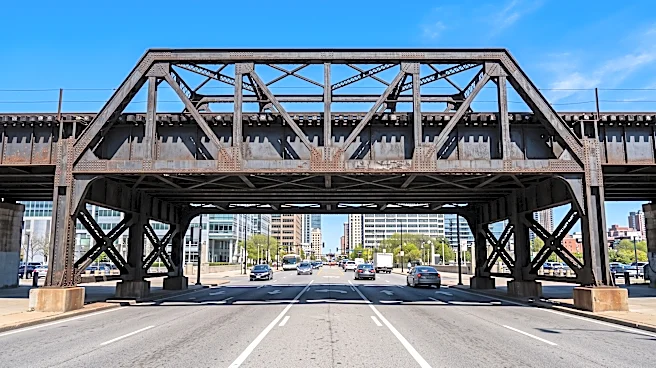
The City of Columbia and the South Carolina Department of Transportation (SCDOT) are advancing a project to reduce train-related traffic congestion in downtown Columbia. The proposed Assembly Street Railroad Separation Project aims to construct new rail
bridges over Assembly Street, which would be lowered by approximately 18 feet. This initiative also includes building bridges over Whaley Street and Catawba Street, and eliminating 15 railroad crossings along the corridor. The project was detailed during a public hearing, where officials addressed concerns, including potential flooding. SCDOT officials stated that a sump pump lift station would be installed to collect rainwater and pump it into Rocky Branch Creek. The estimated cost for the project is around $330 million, with grants secured to help mitigate the financial burden on taxpayers. Residents can provide feedback online until November 19, with construction anticipated to begin in 2028 and last approximately three years.
Why It's Important?
This project is crucial for improving urban mobility and economic efficiency in downtown Columbia. Lengthy train delays at railroad crossings have historically caused significant traffic congestion, impacting daily commutes and commercial activities. By separating rail and road traffic, the project is expected to reduce travel times, enhance safety, and improve the flow of goods and services through the city. For residents and businesses, this means less time spent waiting at crossings and more predictable travel. The investment in infrastructure aims to support Columbia's growth by modernizing its transportation network, which is vital for attracting new businesses and retaining existing ones. The project also addresses long-standing community concerns, such as flooding, ensuring a more resilient and functional urban environment.
What's Next?
Following the public feedback period, which concludes on November 19, the SCDOT and the City of Columbia will finalize plans for the Assembly Street Railroad Separation Project. Construction is slated to commence in 2028 and is projected to take about three years to complete. During this period, residents and commuters can expect temporary disruptions as the infrastructure is built, though the long-term benefits are expected to outweigh these short-term inconveniences. The successful implementation of this project could serve as a model for other U.S. cities grappling with similar rail-road interface challenges, potentially influencing future urban planning and infrastructure development strategies across the nation.
Beyond the Headlines
The Assembly Street project highlights a broader national challenge of aging infrastructure and the need for significant investment in modernizing transportation systems. The reliance on grants to fund a substantial portion of the $330 million cost underscores the financial pressures faced by local and state governments in undertaking such large-scale projects. This situation often leads to a complex interplay between federal, state, and local funding mechanisms, as well as public-private partnerships. Furthermore, the project's focus on addressing both traffic congestion and flooding concerns reflects an integrated approach to urban development, acknowledging the interconnectedness of various infrastructure challenges. The long-term success of such initiatives could influence public perception regarding the value of infrastructure spending and potentially foster greater support for future projects aimed at enhancing urban resilience and efficiency.