
What's Happening?
As winter temperatures drop, households increase their use of heaters and electronics, leading to higher energy bills. A common oversight is leaving devices plugged in when not in use, a phenomenon known
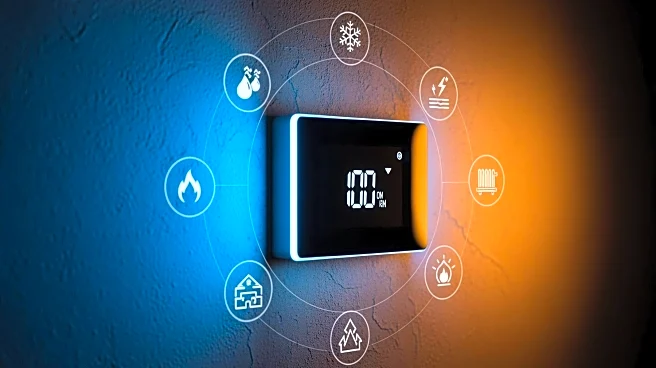
as 'vampire power,' which can increase energy bills by up to 20%. Smart home technologies, such as smart plugs, power strips, and programmable thermostats, can help mitigate unnecessary energy consumption. These devices offer features like automation, scheduling, and energy usage tracking, providing homeowners with greater control over their power consumption and expenses.
Why It's Important?
The rise in energy costs during winter months can significantly impact household budgets. By adopting smart home technologies, consumers can reduce their energy consumption and lower their bills. This not only provides financial relief but also contributes to energy conservation efforts. The use of smart devices can help manage peak demand times, potentially easing the strain on energy providers and reducing the risk of outages. As energy prices fluctuate, these technologies offer a sustainable solution for managing household energy use.
What's Next?
As energy prices continue to fluctuate, the adoption of smart home technologies is likely to increase. Consumers may seek out more advanced solutions to further optimize their energy usage. Energy providers might also collaborate with technology companies to offer integrated solutions that benefit both consumers and the grid. Additionally, as awareness of energy conservation grows, there may be increased demand for policies and incentives that encourage the use of energy-efficient technologies.