




What's Happening?
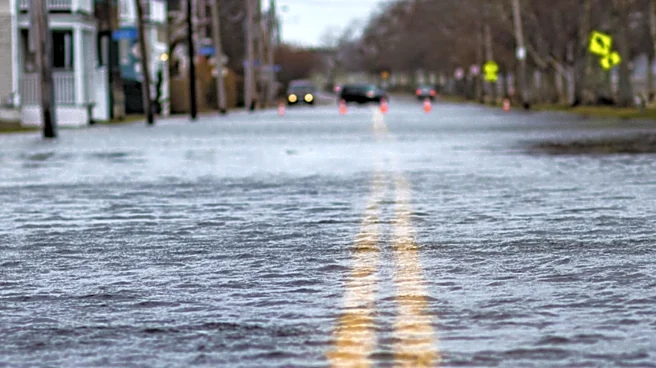
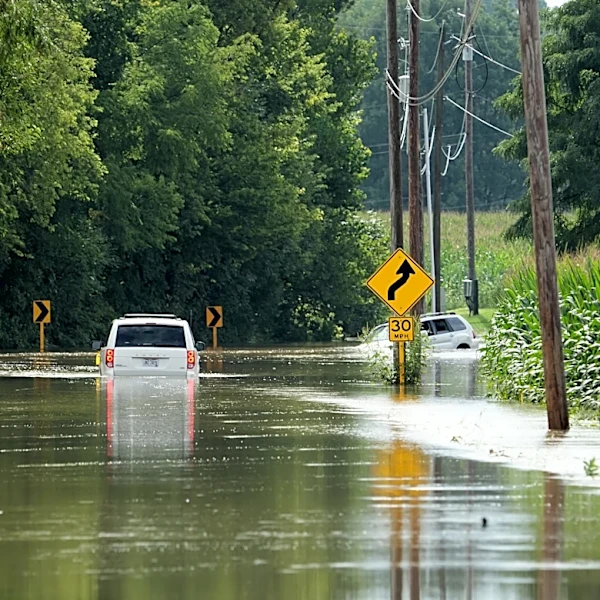
Residents of Tremonton, Utah, have been advised to boil their drinking water due to contamination caused by severe rainfall and flooding. The city reported receiving multiple complaints of dirty water, which led to the discovery of mud and sediment accumulation
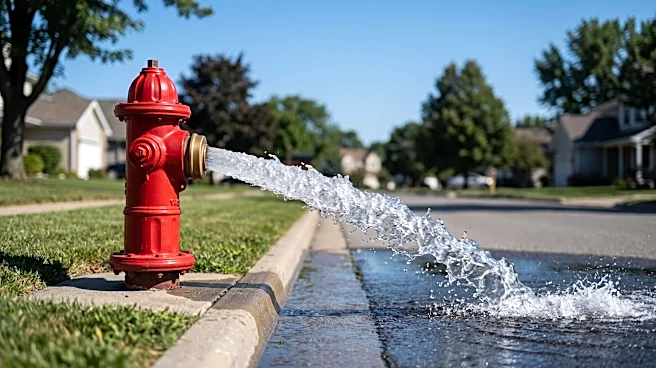
in a pump house. This pump house has since been taken offline, and bacterial samples have been collected for laboratory analysis. In response to the contamination, the city has flushed its water distribution system using fire hydrants. Residents are instructed to boil water for at least one minute before consumption for activities such as drinking, cooking, washing dishes, and brushing teeth. Additionally, they are advised to flush all cold and hot water taps for three to five minutes and empty any water from appliance service lines.
Why It's Important?
This boil advisory in Tremonton, Utah, is important because it directly impacts public health and daily life for the city's residents. Contaminated water can lead to various waterborne illnesses, posing a significant health risk, especially to vulnerable populations. The disruption to daily routines, requiring residents to boil water for essential activities, highlights the critical importance of reliable and safe public infrastructure. This event also underscores the increasing vulnerability of municipal water systems to extreme weather events, such as severe rainfall and flooding, which are becoming more frequent in many regions. The need for immediate action, including taking a pump house offline and flushing the system, demonstrates the rapid response required to mitigate potential health crises and restore public confidence in water safety.
What's Next?
Tremonton City is currently awaiting the results of the bacterial analysis of the water samples. The boil advisory will remain in effect until these results confirm the water is safe for consumption without boiling. Once the water is deemed safe, the city will likely issue an 'all clear' notification to residents, advising them that the advisory has been lifted. In the interim, residents must continue to adhere to the boiling instructions to prevent potential health issues. The city may also conduct further assessments of its water infrastructure to identify and address any vulnerabilities that contributed to the contamination, particularly in light of the severe rainfall and flooding. This could lead to investments in upgrading pump houses, improving drainage systems, or implementing more robust monitoring protocols to prevent future occurrences.
Beyond the Headlines
The Tremonton boil advisory extends beyond an immediate public health concern, touching upon broader issues of climate resilience and infrastructure investment in U.S. communities. As weather patterns become more unpredictable, local governments face increasing pressure to adapt their critical infrastructure, including water systems, to withstand extreme events. This incident could serve as a case study for other municipalities in assessing their own vulnerabilities to climate-related disruptions. It also highlights the often-overlooked importance of routine maintenance and upgrades to public utilities, which are essential for ensuring continuous access to safe resources. The community's response and adherence to the advisory also reflect the level of public trust in local authorities during crises, underscoring the need for clear communication and effective emergency management strategies. This event may prompt discussions about long-term strategies for water security and infrastructure hardening in similar-sized communities across the nation.