
What's Happening?
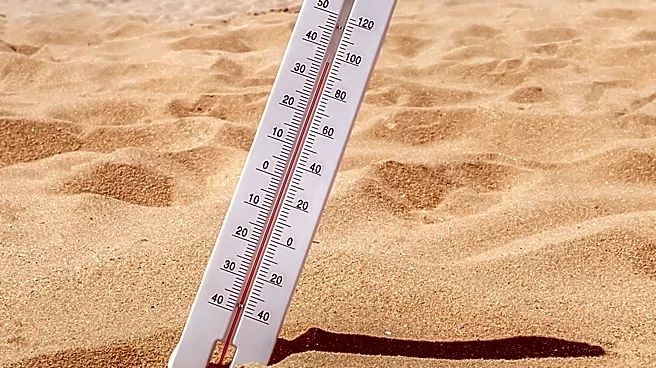
A significant heat dome is affecting the Southern and Western United States, impacting approximately 70 million people. This weather phenomenon is characterized by a high-pressure system trapping hot air
and humidity, leading to soaring temperatures. Areas from New Mexico to North Carolina are experiencing extreme heat, with temperatures reaching the 100s and heat indices even higher. The heat dome is expected to shift westward, affecting states like California and Arizona with record temperatures. The prolonged heat poses health risks, particularly for those without air conditioning, and increases the likelihood of heat-related illnesses.
Why It's Important?
The extreme heat conditions highlight the growing impact of climate change, which is making heat waves more frequent and intense. Vulnerable populations, including those with pre-existing health conditions, are at increased risk of heat-related illnesses. The situation underscores the need for public health measures to protect at-risk communities and improve infrastructure to withstand such extreme weather events. Additionally, the heat wave's persistence raises concerns about energy consumption and the potential for power outages, which could exacerbate the situation.
What's Next?
As the heat dome moves west, authorities are likely to issue more heat advisories and warnings. Public health officials may increase efforts to provide cooling centers and resources for vulnerable populations. The ongoing heat wave could prompt discussions on climate adaptation strategies and the need for sustainable energy solutions to manage increased demand during extreme weather events.