





What's Happening?
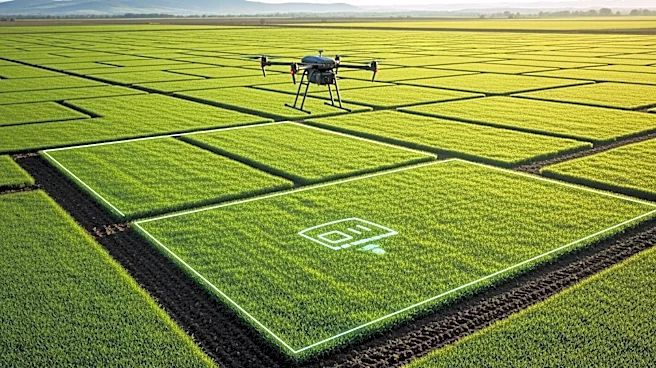
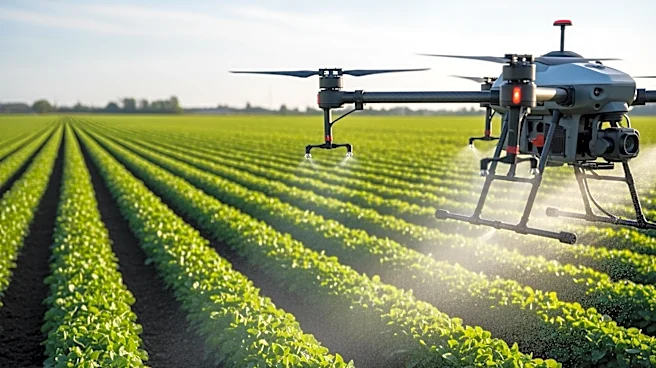
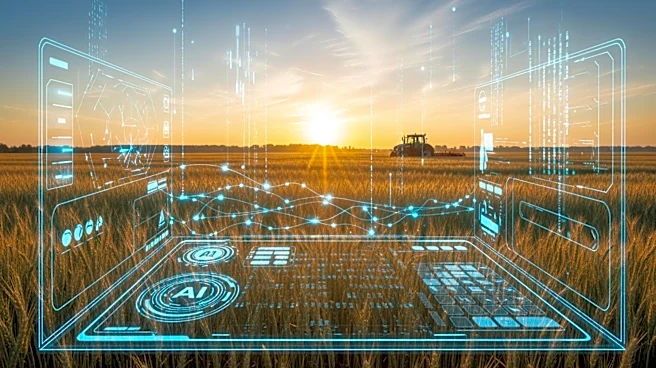
The Haitian Development Network Foundation (HDN) has announced a new initiative aimed at transforming agriculture in Haiti through precision agriculture practices. This approach utilizes data-driven techniques and modern technology to optimize crop yields,
conserve resources, and reduce environmental impact. The initiative is designed to address Haiti's longstanding challenges in farming productivity and sustainability. HDN plans to pilot these programs in key regions, focusing on training farmers, building local expertise, and collaborating with technology and agriculture partners. The initiative is timely, given Haiti's growing food demand, climate challenges, and limited infrastructure. Dr. Gilbert St Jean, Chief Scientist of HDN, emphasized the untapped potential of Haiti's agriculture sector and the opportunity to improve food security and create economic opportunities for rural communities.
Why It's Important?
This initiative is significant as it addresses critical issues in Haiti's agriculture sector, which is vital for the country's food security and economic development. By adopting precision agriculture, HDN aims to increase crop productivity, improve resource management, and enhance resilience against environmental stresses. This could lead to a more sustainable agricultural sector, reducing the need for inputs like water and artificial fertilizers, which are often harmful to the environment. The program's success could serve as a model for other developing countries facing similar challenges, potentially leading to broader adoption of precision agriculture practices globally. The initiative also aligns with Haiti's broader development goals, supporting economic growth and sustainability.
What's Next?
HDN plans to begin piloting precision agriculture programs later this year. The focus will be on training farmers and building local expertise, which is crucial for the long-term success of the initiative. Collaboration with technology and agriculture partners will be essential to provide the necessary tools and support. As the program progresses, it will be important to monitor its impact on crop productivity and resource management. The success of these pilot programs could lead to wider implementation across Haiti, potentially transforming the country's agriculture sector and contributing to its economic development.