





What's Happening?
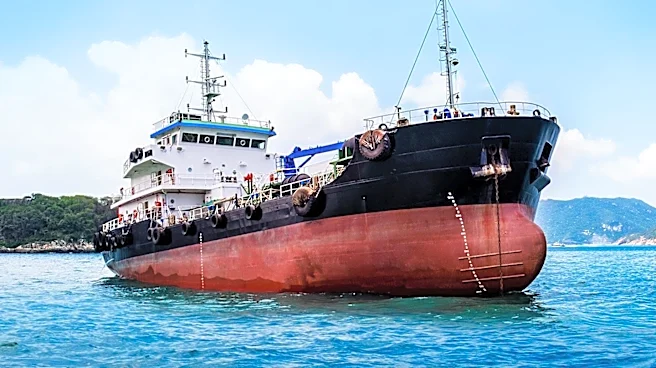
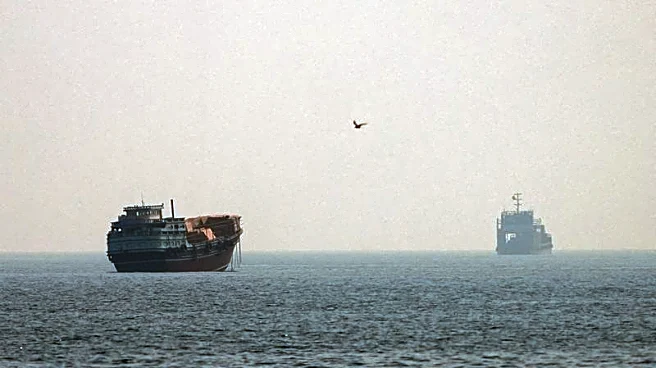
The United Arab Emirates (UAE) is advancing plans to expand its port and freight-handling capacity on its East Coast, aiming to bypass the Strait of Hormuz. This strategic move involves the construction of a new port on the Fujairah coast and the expansion
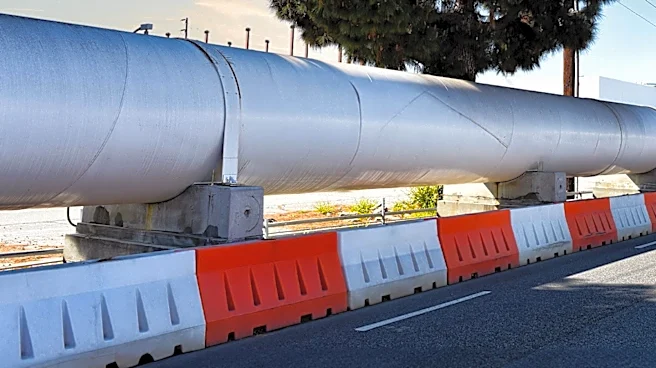
of the existing Fujairah container terminal. The initiative is part of a broader effort to reduce dependency on the Strait of Hormuz, a critical chokepoint for global oil shipments. The UAE is also accelerating the completion of a second crude pipeline to double its capacity, enhancing its energy export capabilities. These developments are driven by the UAE's desire to mitigate risks associated with disruptions in sea traffic through the Strait.
Why It's Important?
The UAE's expansion of its port infrastructure is significant for global energy markets, as it aims to secure more reliable export routes for its oil. By bypassing the Strait of Hormuz, the UAE reduces its vulnerability to geopolitical tensions that could disrupt oil shipments. This move could stabilize energy supplies and prices, benefiting global markets. Additionally, the development of new infrastructure may boost regional economic growth and create new trade opportunities. The UAE's strategy reflects a broader trend among Gulf states to diversify their energy export routes and enhance security.
What's Next?
As the UAE progresses with its infrastructure projects, it is likely to attract increased investment in its energy and logistics sectors. The completion of the new port and pipeline could lead to a shift in regional trade dynamics, with more countries potentially seeking to use the UAE as a transit hub. The UAE's efforts may also prompt other Gulf states to consider similar strategies to enhance their energy security. Stakeholders, including international investors and regional governments, will be closely monitoring the developments for potential collaboration opportunities.