
What's Happening?
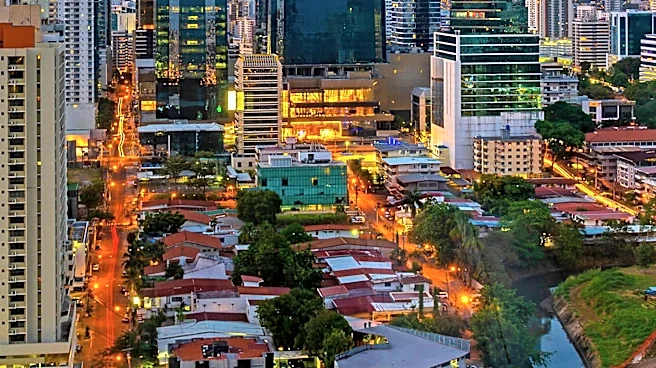
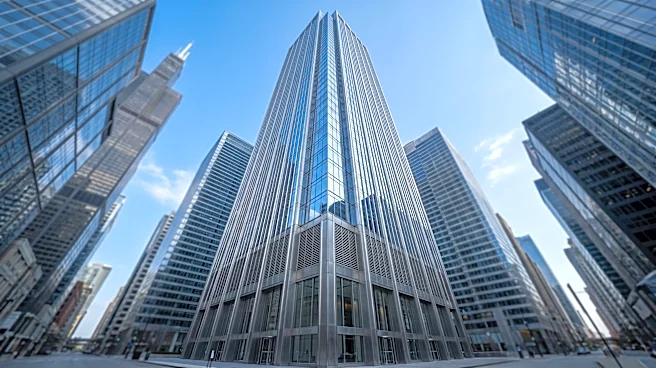
Panama City, despite its modern skyline often compared to Dubai or New York, is grappling with significant socioeconomic disparities. The city exhibits visible homelessness, poverty, and social inequality, with luxury hotels and casinos coexisting alongside
neighborhoods that lack basic infrastructure such as organized trash collection, stable plumbing, and safe living standards. This contrast is evident in areas like Curundú, an informally developed residential area facing funding barriers and societal stigma. Research conducted by Duke University students highlighted these issues, noting that while some parts of the city boast modern amenities, others struggle with inadequate public services and infrastructure. The historical context of U.S. control over the Panama Canal also plays a role, with past policies leading to uneven development and segregation.
Why It's Important?
The stark contrast in Panama City's development underscores broader challenges in rapidly urbanizing regions globally, particularly concerning equitable growth and social inclusion. For U.S. businesses and investors, understanding these disparities is crucial, as they can impact market stability, labor relations, and corporate social responsibility initiatives. The presence of significant poverty and inequality in a major economic hub like Panama City can lead to social unrest, hinder long-term economic development, and create operational challenges for companies. Furthermore, the historical legacy of U.S. involvement, particularly regarding the Panama Canal, highlights the complex interplay between foreign influence and local development, which can affect diplomatic relations and perceptions of U.S. entities operating in the region.
What's Next?
Addressing Panama City's socioeconomic disparities will likely require multi-faceted approaches involving government initiatives, community-led programs, and potentially international aid or investment. Local grassroots organizations, such as Asociación Deportiva Curundú (ADC), are actively working to combat inequality through sports, education, and nutrition. Future efforts may focus on improving infrastructure in underserved neighborhoods, ensuring more equitable distribution of government funding, and challenging negative public perceptions through positive storytelling. Continued research and data analysis, particularly on urban planning and historical development, could provide valuable insights for policymakers and organizations aiming to foster more inclusive growth in the city.
Beyond the Headlines
The situation in Panama City reveals deeper ethical and cultural dimensions related to urban development and historical legacies. The segregation observed in cemeteries, with distinct burial grounds for different racial groups even decades after U.S. control, illustrates how historical inequalities can persist and manifest in subtle yet profound ways. The media's role in shaping public perception of communities like Curundú, oscillating between terms like 'in progress' and 'dangerous,' highlights the power of narrative in influencing policy and social attitudes. This dynamic underscores the importance of critical media literacy and community-led efforts to reclaim and redefine local identities, moving beyond simplistic portrayals to foster a more nuanced understanding of urban challenges and resilience.