
What's Happening?
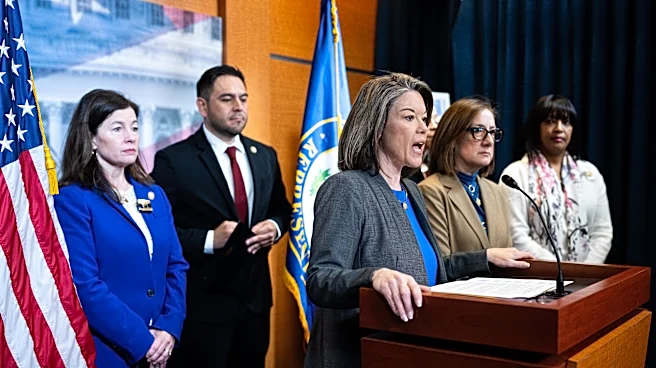
U.S. Representatives Kathy Castor (FL-14), Jay Obernolte (CA-23), and Doris Matsui (CA-07) have jointly introduced the Optimizing Networks for Distributed Energy Management and New Demand (ON-DEMAND) Act.
This bipartisan legislation aims to reduce electricity costs for consumers and improve the stability of the nation's power grid. The core of the bill focuses on expanding the adoption and effective use of virtual power plants (VPPs). These VPPs would coordinate various home and business devices, such as batteries, smart thermostats, water heaters, and rooftop solar systems, to balance electricity supply and demand. The ON-DEMAND Act directs the U.S. Department of Energy (DOE) to establish standards, provide technical assistance to utilities and grid operators, and strengthen consumer protections related to VPP deployment. Supporters of the bill, including several industry and advocacy groups like Advanced Energy United and the Sierra Club, believe it will help manage increasing electricity demand and shift energy consumption to off-peak hours, thereby reducing strain on the grid and lowering costs for families and small businesses.
Why It's Important?
This bipartisan legislative effort is significant for several reasons. Firstly, it addresses the pressing issue of rising electricity costs, offering a potential solution to alleviate financial burdens on American households and small businesses. By promoting virtual power plants, the bill seeks to leverage existing distributed energy resources more efficiently, which could lead to more stable and predictable energy pricing. Secondly, the legislation aims to enhance the reliability and resilience of the U.S. electric grid. As electricity demand continues to grow, integrating VPPs can help prevent outages and ensure a consistent power supply, which is crucial for economic stability and public safety. The bipartisan nature of the bill also signals a potential for broader consensus on energy policy, which is often a contentious area. Successful implementation could set a precedent for future collaborative efforts in modernizing energy infrastructure and promoting sustainable energy practices across the nation.
What's Next?
The ON-DEMAND Act will now proceed through the legislative process in the U.S. House of Representatives, where it will likely be assigned to relevant committees for review and potential amendments. Stakeholders, including energy companies, consumer advocacy groups, and environmental organizations, will likely engage with lawmakers to advocate for or against specific provisions. If it passes the House, the bill would then move to the Senate for consideration. The Department of Energy would play a crucial role in developing the standards and providing technical assistance if the bill becomes law, requiring significant coordination with industry and regulatory bodies. The success of the bill will depend on continued bipartisan support and its ability to navigate potential political challenges and industry concerns regarding implementation and consumer data privacy.
Beyond the Headlines
The ON-DEMAND Act represents a broader shift towards decentralized energy management and the integration of smart home technologies into the national energy infrastructure. Beyond immediate cost savings and grid reliability, this legislation could accelerate the adoption of renewable energy sources like rooftop solar by making them more integral to grid operations. It also highlights the increasing importance of consumer participation in energy management, transforming individual homes and businesses into active components of the energy supply chain. This could lead to new business models for energy providers and technology companies, fostering innovation in smart grid solutions. Furthermore, the emphasis on consumer protections within the bill underscores growing concerns about data privacy and equitable access to advanced energy technologies, ensuring that the benefits of modernization are broadly shared and potential risks are mitigated.