






What's Happening?
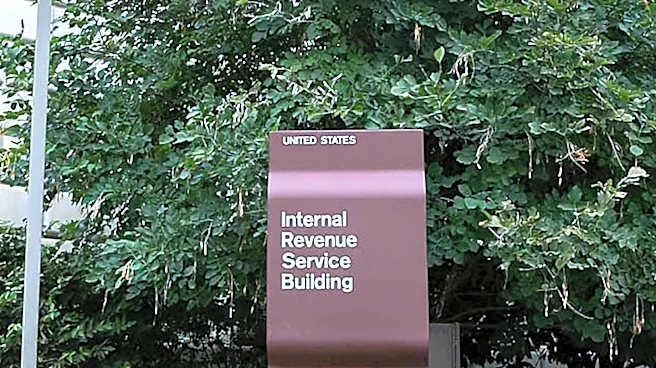
The Internal Revenue Service (IRS) and the Treasury Department are experiencing difficulties in managing a large influx of public comments on proposed tax regulations, many of which are generated by artificial intelligence (AI). According to a report
by the Government Accountability Office (GAO), the volume of comments, often nearly identical due to AI, poses a challenge for the IRS in distinguishing and processing them effectively. This situation arises in the wake of the One Big Beautiful Bill Act, which necessitated new tax regulations, including deductions for tips, overtime, and senior citizens. The GAO report highlights the need for the IRS to develop policies to handle mass public comments, especially those generated with AI assistance. Additionally, the report suggests improvements in virtual participation for tax regulatory hearings and better documentation of public comments.
Why It's Important?
The influx of AI-generated comments on tax regulations underscores the growing influence of technology in public policy debates. This development could significantly impact how tax regulations are shaped, potentially affecting tax professionals and organizations. The IRS's struggle to manage these comments highlights a gap in its current technological capabilities and public engagement practices. If not addressed, this could lead to inefficiencies in the rulemaking process and potentially skew the regulatory outcomes due to unmanageable volumes of feedback. The situation also raises concerns about the transparency and effectiveness of public participation in regulatory processes, which are crucial for democratic governance and accountability.
What's Next?
The GAO recommends that the IRS and the Treasury develop robust policies to manage the high volume of AI-generated comments. This includes improving virtual participation options for public hearings and ensuring comprehensive documentation of public input. The IRS is also advised to enhance its analysis of the economic impacts of significant tax regulations, aligning with executive orders and memoranda of agreement. These steps are essential to ensure that the IRS can effectively incorporate public feedback into its regulatory processes and maintain transparency and accountability. The departure of key IRS officials, including Kenneth Kies, may also influence how these recommendations are implemented.