







What's Happening?
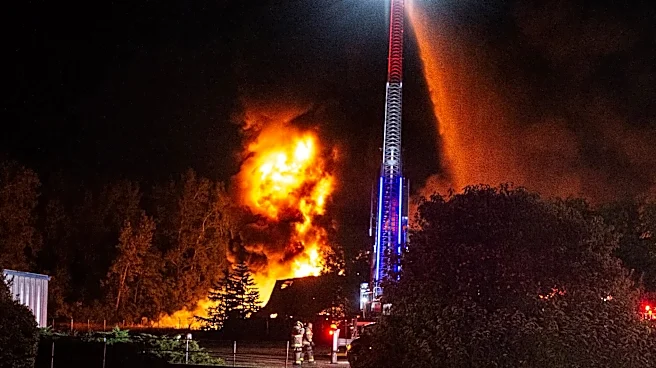
The Occupational Safety and Health Administration (OSHA) is currently investigating an explosion at Brent Industries in Toledo, Ohio, which resulted in the deaths of two workers. The incident involved explosions and a large fire at the industrial recycling
business. Fire officials discovered the bodies of a man and a woman inside the building, and two or three other employees sustained minor injuries. The explosions occurred shortly before 5 a.m. during a shift change. Emergency crews faced hazardous materials and the threat of further explosions while searching for victims. Environmental officials reported no hazardous threat in the air. This investigation follows a previous incident in 2015 at the company's Alabama location, which also involved an explosion and fire that killed one person. In that case, OSHA determined that flammable vapor from mineral spirits ignited in an industrial washing machine, leading to citations and a $27,000 fine for Brent Industries. Tanks containing mineral spirits were present at the Toledo plant, which uses them in the cleaning process for textiles containing hazardous substances.
Why It's Important?
This incident highlights critical concerns regarding industrial safety and worker protection within the U.S. manufacturing and recycling sectors. The involvement of flammable mineral spirits and the previous OSHA citations against Brent Industries for similar issues underscore a potential pattern of safety deficiencies. The deaths of two workers and injuries to others represent a significant human cost, emphasizing the need for stringent adherence to safety protocols and regular inspections. For the industry, this event could lead to increased scrutiny from regulatory bodies like OSHA, potentially resulting in stricter enforcement, higher fines, and updated safety guidelines for facilities handling hazardous materials. Companies in similar operations may face pressure to review and enhance their safety measures to prevent such tragedies, impacting operational costs and compliance efforts. The incident also raises questions about the effectiveness of past penalties and whether they sufficiently incentivized improved safety practices.
What's Next?
OSHA has a six-month period to complete its investigation into the Toledo explosion and will not release further information until its conclusion. This investigation will aim to determine the exact cause of the explosions, identify any violations of occupational safety standards, and assess whether Brent Industries was in compliance with previous safety directives. Depending on the findings, Brent Industries could face new citations, significant fines, and potentially legal action. The company will likely be required to implement corrective actions to address any identified safety lapses. For the broader industrial sector, the outcome of this investigation could influence future regulatory policies and enforcement priorities, particularly concerning the storage and use of flammable materials and the maintenance of industrial machinery. Local authorities will continue to monitor the site for any lingering environmental impacts, and the community will likely seek assurances regarding the safety of industrial operations in their vicinity.
Beyond the Headlines
The recurring nature of industrial accidents involving Brent Industries, particularly the previous fatal explosion in Alabama and the 2004 citation for steam release hazards, points to a deeper systemic challenge in ensuring worker safety. This incident transcends a singular event, suggesting potential gaps in corporate safety culture, risk management, or the efficacy of regulatory oversight. The use of mineral spirits, a common industrial solvent, highlights the inherent dangers in many manufacturing processes and the critical importance of proper ventilation, equipment maintenance, and employee training. Beyond the immediate investigation, this tragedy could prompt a broader re-evaluation of how industrial safety regulations are enforced and whether current penalties are sufficient to deter repeat offenses. It also brings to light the ethical responsibility of companies to prioritize worker well-being over production efficiency, and the societal expectation that industrial operations should not come at the cost of human lives.