


What's Happening?
The family of Nolan Wells is seeking answers regarding his unexplained death, which occurred last month during a July 4 boating trip to Mississippi’s Horn Island. Nolan, who would have turned 19, was found deceased after being reported missing from the
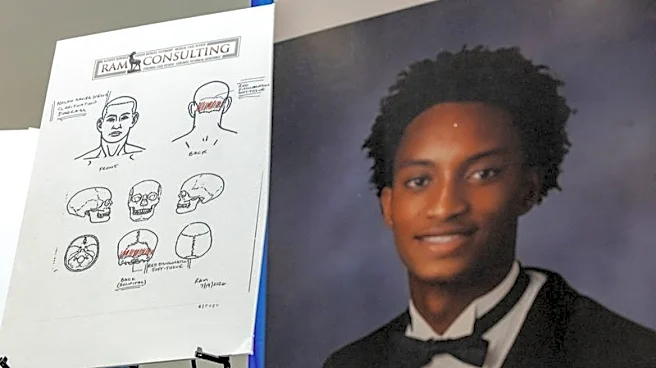
trip with friends. More than six weeks later, authorities have not publicly indicated that a crime occurred, and the investigation is ongoing. Jackson County District Attorney Angel Myers McIlrath stated that evidence is being reviewed before presentation to a grand jury. The lack of clear answers has led to widespread speculation, harassment, and threats directed at both Nolan’s family and the friends who were with him. Civil rights attorney Ben Crump and the Rev. Al Sharpton, along with the National Action Network, have called for unity and a nationwide prayer vigil to press for truth and justice for Nolan Wells. Two autopsies have been conducted, with the family-commissioned autopsy ruled inconclusive due to lack of evidence, and the state’s report sealed pending grand jury review.
Why It's Important?
The unexplained death of Nolan Wells and the subsequent lack of public clarity from authorities have created significant community division and fueled speculation, highlighting broader issues of transparency in investigations and the impact of social media narratives. The involvement of civil rights leaders like Ben Crump and Rev. Al Sharpton underscores concerns about potential racial implications, particularly given Mississippi's historical context, and the demand for federal intervention, such as an FBI investigation. This case brings to light the emotional toll on grieving families who face not only the loss of a loved one but also public scrutiny and online harassment. The differing accounts and the sealing of official reports contribute to a climate of distrust, emphasizing the need for clear and timely communication from law enforcement to maintain public confidence and prevent the spread of misinformation. The situation also raises questions about the responsibilities of individuals present during such incidents and the legal processes involved in determining culpability.
What's Next?
The investigation into Nolan Wells' death is ongoing, with the Jackson County District Attorney reviewing evidence for presentation to a grand jury, which will determine if any crime occurred. The results of the state’s toxicology tests are complete but not yet public. The Congressional Black Caucus has called for an independent FBI investigation, which could introduce a federal dimension to the case. Attorneys for Nolan's family are preparing for a joint forensic examination of Nolan's cell phone with law enforcement. Meanwhile, community efforts, including prayer vigils and rallies, are expected to continue, maintaining public pressure for answers. The friends who were with Nolan on the trip, who have faced threats and ostracization, may also see further legal or social repercussions depending on the grand jury's findings. The family continues to advocate for transparency and justice, urging the public to keep Nolan's story alive.
Beyond the Headlines
The tragic death of Nolan Wells has exposed deep societal fissures, particularly concerning race, justice, and the role of social media in shaping public perception. The photograph of Nolan with his white friends has become a focal point for competing narratives, with some questioning whether race played a role in his death, set against Mississippi's complex racial history. This case illustrates how a lack of official information can create a vacuum filled by online speculation, leading to harassment and threats against both the victim's family and those involved. It highlights the ethical challenges of digital vigilantism and the difficulty of managing public discourse in high-profile cases. Furthermore, the incident underscores the emotional and psychological burden on families and individuals caught in such circumstances, facing not only personal grief but also public judgment and attacks. The calls for an FBI investigation reflect a broader societal demand for equitable justice and thorough investigations, especially when local processes appear to be slow or opaque.