


What's Happening?
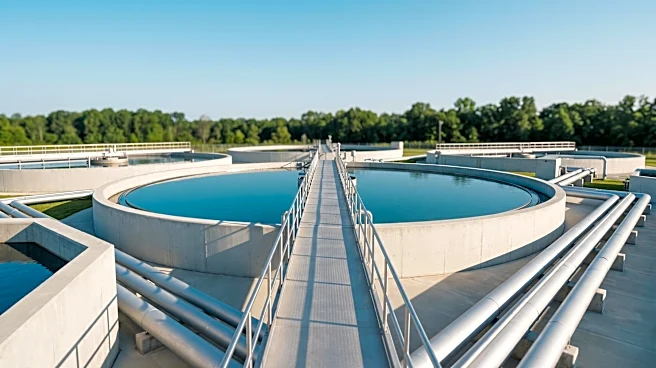
U.S. Senator John Boozman played a significant role in securing $10 million in federal funding for the expansion of Mulberry, Arkansas's water treatment plant. This project, which city officials have been working on for over 12 years, aims to double the plant's
capacity and support future growth in the area. The funding, a combination of grants and loans from the U.S. Department of Agriculture (USDA) and Community Development Block Grant programs, will finance improvements including an additional clarifier and a clear well-and-filter system. Mulberry Mayor Gary Baxter expressed gratitude for Senator Boozman's involvement and the USDA's assistance, highlighting that such federal and state funds are crucial for small communities. The current 25-year-old plant serves over 700 customer connections and approximately 3,800 people. The existing configuration, with only one clear well and one clarifier, made it difficult to perform repairs without disrupting water supply. The new additions will provide essential redundancy and increased capacity.
Why It's Important?
This federal investment in Mulberry's water infrastructure is critical for public health and economic development in the region. Reliable access to clean, safe water is a fundamental necessity, and enhancing the treatment plant's capacity will protect the community from potential disruptions in potable water access. The expansion is also a strategic move to accommodate future population growth and potentially extend water services to neighboring communities currently relying on wells, fostering regional development. For Senator Boozman, this initiative underscores his commitment to rural development and infrastructure improvements in Arkansas, aligning with his role on the Senate Agriculture Subcommittee on Rural Development, Energy, and and Credit, which oversees USDA's rural development mission. The project is part of a larger effort, with 14 water and environmental program projects totaling over $73.5 million underway across Arkansas, demonstrating a broader federal and state focus on improving rural infrastructure.
What's Next?
The Mulberry water treatment plant improvement project is expected to be completed shortly, with funding already being drawn to pay contractors and engineers. Upon completion, the expanded capacity will allow Mulberry to better manage its water resources, support its growing population, and potentially offer water services to nearby communities. This could lead to further economic development and improved quality of life in the surrounding areas. The success of this project may also serve as a model for other rural communities in Arkansas and across the nation seeking to upgrade their aging infrastructure with federal assistance. Continued oversight from Senator Boozman and the USDA will likely ensure the project's effective implementation and long-term benefits for the community.
Beyond the Headlines
The Mulberry water project highlights a broader national challenge of aging infrastructure in rural communities and the vital role of federal funding in addressing these issues. Beyond the immediate benefits of increased water capacity and redundancy, such investments contribute to the long-term resilience and sustainability of rural areas. The collaboration between local government, federal agencies like the USDA, and congressional representatives like Senator Boozman, demonstrates a multi-level approach to tackling essential public service needs. This project also touches upon environmental considerations, as Mulberry's water source, Mulberry Lake, is fed by streams and underground springs, emphasizing the importance of robust treatment facilities to maintain water quality. The ability to accommodate growth and potentially supply water to other communities could transform regional demographics and economic landscapes, reducing reliance on potentially less reliable private well systems.