



What's Happening?
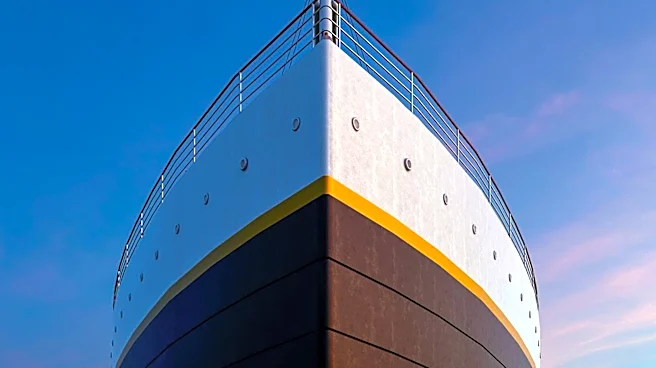
The SS United States, a historic ocean liner, is scheduled to depart Mobile, Alabama, on November 9th, with its planned sinking set for November 12th off the Florida coast. This action will transform the vessel into the world's largest artificial reef.
Preparations for the sinking have been underway for over a year along the Mobile waterfront, involving extensive cleaning and remediation. All 128 fuel and lubricant tanks have been emptied and cleaned, all 12 decks cleared, and hundreds of historical artifacts removed for preservation. The ship has also secured a 10-year reauthorization permit from the Army Corps of Engineers. However, the SS United States Preservation Foundation has filed a lawsuit to block the sinking, citing concerns about potential environmental hazards from toxic materials entering Gulf waters and impacting the seafood supply. Despite these legal challenges, a federal judge denied the foundation's initial emergency request, and Okaloosa County officials state the project remains on schedule.
Why It's Important?
The planned sinking of the SS United States carries significant implications for both environmental policy and regional tourism in the U.S. The lawsuit filed by the SS United States Preservation Foundation highlights ongoing debates regarding the environmental impact of creating artificial reefs, particularly from large, older vessels. Concerns about potential toxic materials affecting Gulf ecosystems and the seafood industry underscore the delicate balance between conservation efforts and economic development. If environmental contamination were to occur, it could lead to long-term ecological damage and economic repercussions for the fishing and tourism sectors. Conversely, Okaloosa County officials anticipate a substantial tourism boost, with the project garnering worldwide attention. The creation of the world's largest artificial reef could attract divers and marine enthusiasts, generating revenue and creating jobs in the region. The outcome of this project could set a precedent for future large-scale artificial reef initiatives, influencing how similar projects are evaluated and regulated across the U.S.
What's Next?
The immediate next steps involve the SS United States' departure from Mobile on November 9th and its planned sinking on November 12th. While a federal judge has already denied an initial emergency request to block the sinking, the SS United States Preservation Foundation has filed another request, indicating that legal challenges may continue up to the last moment. Okaloosa County officials remain confident that the project will proceed as scheduled. If the sinking occurs, divers are expected to be able to explore the wreck as early as the day after. The long-term success of the project will depend on its environmental impact and its ability to attract tourism. Monitoring for potential environmental hazards will be crucial, and the actual economic benefits from tourism will be assessed over time. The ongoing legal battle also suggests that future projects of this nature may face increased scrutiny and more rigorous environmental impact assessments.
Beyond the Headlines
The transformation of the SS United States into an artificial reef touches upon broader themes of historical preservation, environmental stewardship, and economic revitalization. The debate surrounding the ship's fate reflects a tension between preserving a piece of American maritime history and repurposing it for ecological and economic benefit. While some advocate for the ship's restoration as a museum or landmark, the decision to sink it as an artificial reef represents a different approach to legacy. This project also highlights the evolving understanding of artificial reefs, moving beyond simple disposal to creating complex marine habitats. The potential for a 'Superfund site' in the Gulf, as raised by the foundation, underscores the ethical responsibility associated with such large-scale interventions in natural environments. The global attention on this project could also influence public perception and policy regarding the disposal of large vessels and the creation of artificial reefs worldwide, prompting a re-evaluation of best practices and regulatory frameworks.