









What's Happening?
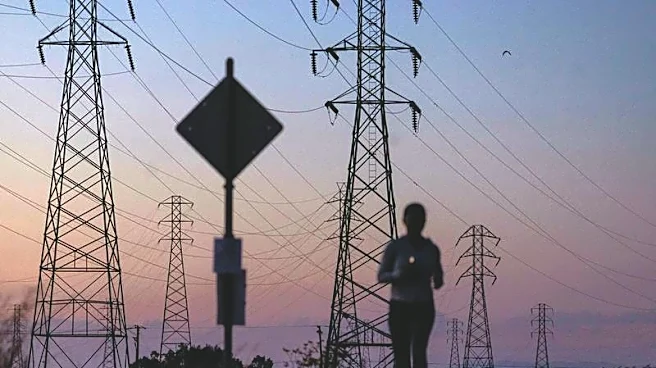
A severe heat wave is causing significant strain on power grids across the U.S., particularly affecting areas with high concentrations of data centers. The PJM Interconnection, which serves parts of 13 states and Washington, D.C., has issued alerts due
to extreme heat pushing demand close to record levels. The Department of Energy has authorized emergency measures, including curtailing large users like data centers with backup power. In Illinois, ComEd has warned of critical strain on the local grid, urging residents to reduce electricity use. The growth of data centers is cited as a major factor in increasing demand, with potential power delivery delays until 2032. Texas is also experiencing rapid growth in data center demand, with ERCOT projecting significant increases in electricity demand in the coming years.
Why It's Important?
The heat wave highlights the vulnerabilities of U.S. power grids, particularly in regions with high data center concentrations. As data centers continue to grow, they place additional pressure on already strained grids, potentially leading to higher electricity costs and increased risk of outages. This situation underscores the need for infrastructure improvements and strategic planning to accommodate rising demand. The reliance on data centers for digital services means that disruptions could have widespread economic and operational impacts. Additionally, the situation raises concerns about the sustainability of current energy practices and the need for more resilient and efficient energy solutions.
What's Next?
In response to the current strain, grid operators and regulators may need to implement more robust measures to manage demand and ensure reliability. This could include accelerating infrastructure upgrades, exploring alternative energy sources, and enhancing demand response programs. Stakeholders, including government agencies, utility companies, and data center operators, will likely need to collaborate on long-term strategies to address the challenges posed by growing energy demands. Public policy may also evolve to incentivize energy efficiency and the development of renewable energy sources to mitigate future risks.