


What's Happening?
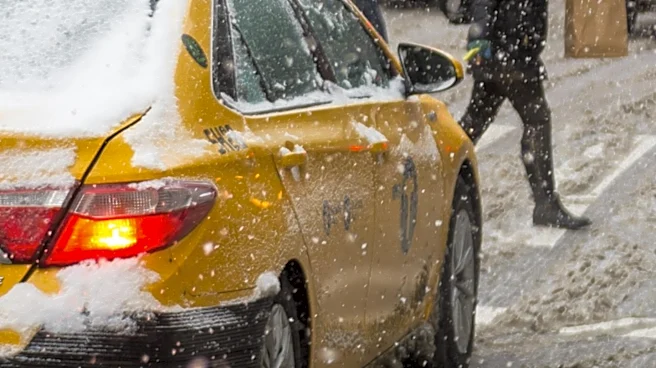
New York City is implementing a $25 million expanded cold-weather plan to address homelessness, following a period of prolonged freezing weather in January and February 2026 during which 19 individuals were found dead outdoors. While not all deaths were confirmed
to be from cold exposure, the incidents prompted a reevaluation of the city's approach. Mayor Zohran Mamdani announced the new Code Blue plan on November 9, 2026, which includes hundreds of additional outreach workers, 800 new low-barrier shelter beds, up to 55 mobile medical units, and up to 20 warming buses. The first Code Blue activation occurred from November 13 to November 14, providing eight drop-in centers, six warming buses, and three warming centers. The new Rapid Emergency Aid for Cold and Heat (REACH) system will utilize geographically targeted patrols to locate vulnerable individuals, a shift from previous methods that only reached about 15% of priority list individuals on a typical night. This graduated response aims to scale resources based on the severity and duration of cold weather conditions.
Why It's Important?
This expanded initiative is crucial for New York City's most vulnerable population, particularly those experiencing homelessness, who face significant risks during severe winter weather. The reported deaths highlight a critical gap in the city's previous response mechanisms and underscore the life-threatening consequences of inadequate support during cold snaps. The $25 million investment and the introduction of the REACH system signify a more proactive and comprehensive strategy to connect unsheltered individuals with vital services and shelter. This could lead to a reduction in cold-related fatalities and illnesses among the homeless population. For city officials, the success of this plan will be a key indicator of their ability to manage public health crises related to extreme weather and address the broader issue of homelessness. The increased resources and revised outreach methods aim to improve the efficiency of aid delivery, potentially setting a precedent for other urban centers grappling with similar challenges.
What's Next?
The effectiveness of New York City's new Code Blue plan will become clearer as the winter season progresses. Officials will be monitoring whether the additional outreach teams consistently reach individuals previously missed and if the increased accommodation capacity is sufficient during prolonged periods of freezing temperatures. The city will need to assess the outcomes of the REACH system, particularly its ability to engage and place more people indoors compared to previous methods. Further activations of the Code Blue plan will test the scalability and responsiveness of the new resources, including the deployment of warming buses and medical units. Stakeholders, including homeless advocacy groups and public health organizations, will likely scrutinize the data on cold-related incidents and shelter utilization to evaluate the program's impact and advocate for any necessary adjustments or further expansions.
Beyond the Headlines
Beyond the immediate goal of preventing cold-related deaths, this initiative touches upon deeper societal issues surrounding homelessness and urban infrastructure. The challenge of reliably measuring the unsheltered population and the reluctance of some individuals to enter traditional shelters highlight the complex nature of homelessness, which extends beyond a simple lack of housing. The city's investment in mobile medical teams and warming buses acknowledges the diverse needs of this population, including health concerns and the need for immediate, accessible relief. This plan could also spark broader discussions about long-term solutions to homelessness, such as affordable housing initiatives and comprehensive support services, rather than solely focusing on emergency responses. The ethical implications of ensuring basic human dignity and safety for all residents, especially during extreme weather, are central to this development, prompting a reevaluation of civic responsibility and resource allocation.