





What's Happening?
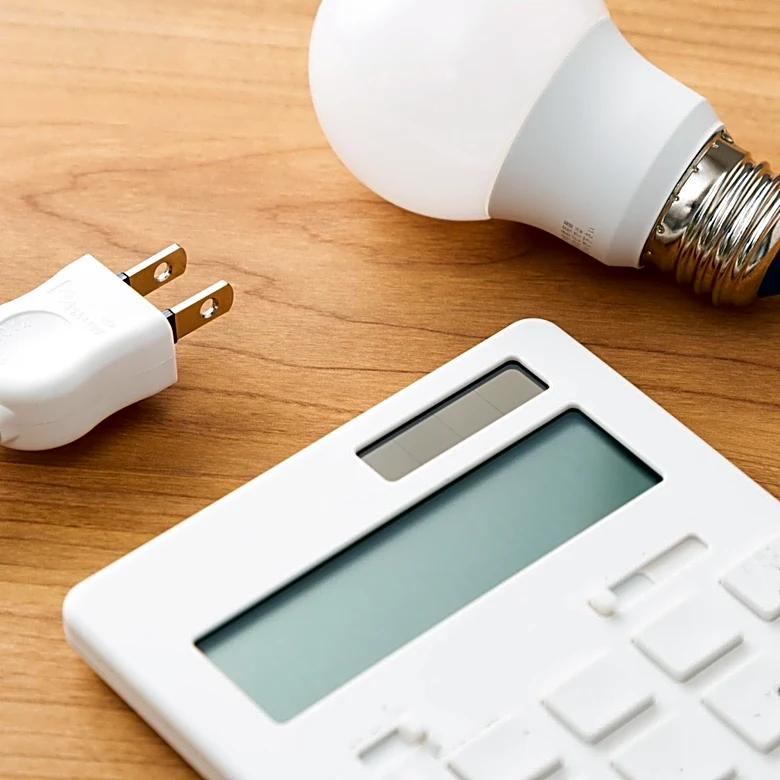
A Dallas renter, Jori LaCour, is questioning her consistently high electric bills, which range from $120 to $130 per month, despite living in a shaded, one-bedroom apartment and being mindful of her thermostat use. LaCour's experience reflects a broader
trend of rising energy costs in the Dallas-Fort Worth-Arlington area, where energy prices, including electricity, utility gas, and vehicle fuel, increased by 17.4% from September 2025 to September 2026, according to U.S. Bureau of Labor Statistics figures. An NBC DFW audience survey indicated that utilities are a significant budget strain for more than 1,000 respondents, ranking second only to groceries. Many respondents reported keeping their homes at uncomfortable temperatures to manage costs. For homeowners, residential solar options, including $0-upfront leases, are being explored as a way to potentially save hundreds of dollars monthly.
Why It's Important?
The struggle of Texas residents like Jori LaCour with high electric bills underscores the significant impact of rising energy costs on household finances, even for those actively trying to conserve energy. The substantial increase in energy prices in the Dallas-Fort Worth-Arlington area, far exceeding overall consumer price growth, places considerable financial pressure on families and individuals. This situation can lead to difficult choices, such as enduring uncomfortable home temperatures, and highlights the vulnerability of consumers to market fluctuations and utility pricing. The widespread concern among survey respondents indicates a systemic issue that affects a large portion of the population, potentially leading to reduced disposable income and broader economic strain. The exploration of residential solar and battery storage options suggests a growing consumer desire for greater control over energy costs and independence from traditional utility providers.
What's Next?
For Texas residents facing high electricity bills, NBC DFW recommends checking if their electricity contract is still active and, if they have the option to choose their provider, comparing plans through the Texas Power to Choose website. This platform allows customers to filter for plans that avoid minimum-usage fees, which can penalize lower electricity consumption. Homeowners are also looking into longer-term solutions like residential solar and battery storage to manage and potentially reduce their electricity expenses. These options could become more prevalent as energy costs continue to rise, driving innovation and adoption in the distributed energy sector. The ongoing public discourse around high utility bills may also prompt further regulatory scrutiny of energy providers and market practices in Texas.
Beyond the Headlines
The situation in Texas reveals the complexities of deregulated energy markets and their impact on consumers. While deregulation is often touted for promoting competition and lower prices, experiences like LaCour's suggest that it can also lead to confusion, unexpected costs, and a lack of transparency for the average consumer. The significant increase in energy prices, coupled with the burden on households, highlights the need for robust consumer protection mechanisms and clear information to navigate these markets effectively. It also points to the broader challenge of energy affordability in a rapidly growing state with increasing demand. The shift towards residential solar and battery storage signifies a potential long-term trend where consumers seek to decentralize their energy consumption and reduce reliance on the grid, driven by both economic and resilience considerations.