





What's Happening?
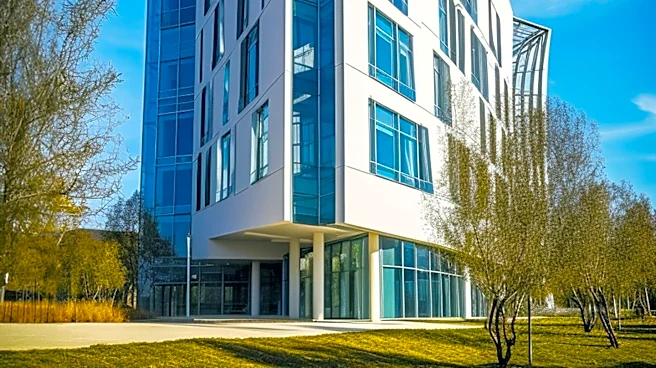
Cleveland Clinic has officially opened two new state-of-the-art research buildings on its Main Campus, representing the largest research investment in the organization's over 100-year history. These new facilities, totaling 300,000 square feet, are located
at E. 100th Street and Cedar Avenue. The expansion significantly boosts Cleveland Clinic's research and innovation infrastructure, providing space for more than 700 employees and nearly 30 laboratories and core service areas. The buildings are designed to support high-level scientific work, including computational research, and increase the capacity for scientific discovery. This project was supported by investments from the State of Ohio and JobsOhio, as part of the Cleveland Innovation District initiative, which aims to foster transformative research, education, job creation, and commercialization opportunities in Ohio. Cleveland Clinic CEO and President Tom Mihaljevic, M.D., emphasized that these facilities will accelerate scientific discovery and strengthen Cleveland's position as a hub for healthcare, research, and innovation.
Why It's Important?
This significant expansion by Cleveland Clinic underscores a major commitment to advancing medical research and innovation within the United States. The new facilities are expected to accelerate the pace of scientific discovery, potentially leading to breakthroughs in various medical fields. By increasing research capacity and fostering collaboration among scientists, clinicians, and innovators, Cleveland Clinic aims to translate new ideas into improved patient care. This investment also has broader economic implications for Ohio, particularly through the Cleveland Innovation District. The initiative, supported by public-private partnerships, is designed to create high-value jobs and attract talent, solidifying the region's role in the healthcare and research sectors. The focus on advanced research and computational capabilities positions Cleveland Clinic at the forefront of medical science, potentially influencing global healthcare standards and practices.
What's Next?
The opening of these new research buildings is expected to immediately enhance Cleveland Clinic's capacity for scientific inquiry and collaboration. The organization plans to leverage these facilities to further its research programs, including those focused on rapidly growing areas of medical science. The design of the buildings, which includes open collaborative areas and advanced laboratories, is intended to foster an environment conducive to breakthrough discoveries. Cleveland Clinic will continue its work within the Cleveland Innovation District, aiming to exceed targets for job creation and educational program support. Future developments may include the integration of advanced technologies, such as artificial intelligence, into clinical research and patient care, as highlighted by ongoing efforts in areas like EEG evaluation for epilepsy. The institution's strategic partnerships and continued investment in infrastructure suggest a sustained focus on leading medical innovation.
Beyond the Headlines
The substantial investment in research infrastructure by Cleveland Clinic reflects a broader trend in the U.S. healthcare landscape towards integrating advanced scientific discovery with clinical practice. This move highlights the increasing importance of computational research and interdisciplinary collaboration in addressing complex health challenges. Beyond immediate medical advancements, such large-scale research hubs can foster a vibrant ecosystem of innovation, attracting biotech companies, startups, and skilled professionals to the region. This could lead to long-term economic growth and the establishment of Cleveland as a premier destination for medical science. Furthermore, the public-private partnership model exemplified by the Cleveland Innovation District could serve as a blueprint for other regions seeking to stimulate growth and innovation in critical sectors, demonstrating how collaborative efforts can drive significant progress in healthcare and beyond.