








What's Happening?
Nepal has officially declared 2027 as the 'Nepal Wellness Year,' launching the 'Arogya Nepal' (Wellness Nepal) campaign. This initiative is part of a broader National Wellness Tourism Strategy spanning 2026 to 2035, with a key milestone set for the end
of 2027: the implementation of national wellness standards and a code of conduct. The government aims to transform Nepal's image from primarily an adventure destination to a hub for healing and wellness, focusing on traditional practices such as yoga, Ayurveda, meditation, and Himalayan herbal medicine. The strategy introduces a Nepal Wellness Quality Standard with bronze, silver, and gold ratings for various wellness facilities, including ashrams, community centers, and resorts. It also mandates minimum training requirements for therapists, requiring at least a three-month CTEVT-recognized course and annual refresher training. This move is designed to ensure quality control and provide travelers with clearer signals about the credibility of wellness offerings.
Why It's Important?
This strategic shift by Nepal holds significant implications for the global wellness tourism market, which is projected to grow from $720 billion in 2019 to $1.4 trillion by 2027. By establishing national quality standards and promoting its unique traditional healing practices, Nepal aims to capture a larger share of this expanding market. The focus on longer, slower, and more personalized stays, rather than just cost-cutting, could attract a different demographic of travelers seeking authentic and immersive wellness experiences. For U.S. travelers, this means access to a more regulated and potentially higher-quality wellness tourism destination, offering specialized programs in a unique cultural and natural setting. The emphasis on certified practitioners and standardized facilities could build trust and encourage more international visitors to consider Nepal for health and well-being journeys, potentially diversifying the types of international travel experiences available to Americans.
What's Next?
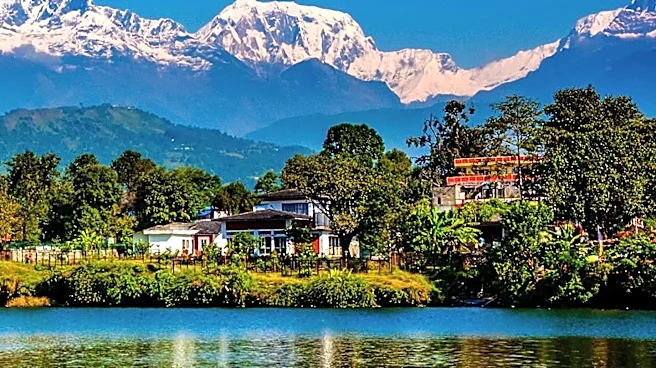
The immediate next step is the full implementation of the national wellness standards and code of conduct by the end of 2027. The first phase of the initiative, covering 2026 and 2027, targets 500 to 1,000 international wellness travelers utilizing a select number of model facilities. The long-term goal is for wellness travelers to constitute 11% of all international arrivals by 2030. Travelers planning visits during this period should look for facilities that adhere to the new Nepal Wellness Quality Standard ratings. The government's strategy also maps wellness activities to six distinct zones across the country, each suited to different practices and traveler preferences. Additionally, the recent introduction of a daily international flight to Pokhara International Airport from Dubai, connecting with Emirates, is expected to facilitate easier access for international visitors, particularly those interested in lake yoga and Annapurna foothill retreats.
Beyond the Headlines
The 'Nepal Wellness Year' initiative represents a deeper cultural and economic transformation for the country. Beyond the immediate tourism benefits, it signifies a national commitment to preserving and promoting indigenous healing traditions like Ayurveda and Sowa Rigpa, integrating them into a modern tourism framework. This could lead to increased investment in local communities, supporting traditional healers and practitioners, and fostering sustainable tourism development. The diplomatic layer, with the United Nations General Assembly adopting Nepal's proposal for an International Wellness Day on April 15th, further elevates Nepal's role on the global stage as a proponent of holistic well-being. This long-term vision aims to create a more resilient and diversified tourism economy, moving beyond reliance on adventure tourism and offering a profound, restorative experience that connects visitors with Nepal's rich spiritual and natural heritage.