





What's Happening?
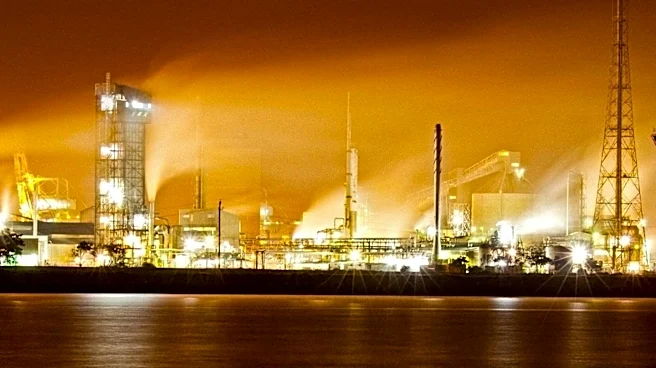
In Louisiana, communities along the industrial corridor between Baton Rouge and New Orleans are facing significant challenges due to toxic air pollution. A recent investigation revealed that public air monitors are often located far from major industrial polluters
and fail to test for some of the most dangerous chemicals. The state's air monitoring system has been criticized for its inadequacy in protecting public health, particularly in predominantly Black communities near industrial facilities. A 2024 law, backed by industry groups, restricts the use of community air monitoring data for enforcement, further complicating efforts to address pollution. The situation has led to public health concerns, with residents experiencing health issues linked to toxic emissions.
Why It's Important?
The situation in Louisiana highlights the ongoing struggle between industrial interests and community health advocates. The lack of adequate air monitoring and the influence of industry-backed legislation pose significant risks to public health, particularly in vulnerable communities. The state's approach to air quality monitoring raises ethical and legal questions about environmental justice and the right to clean air. The issue underscores the need for stronger regulatory frameworks and increased transparency in monitoring industrial emissions. The health implications for residents living near industrial facilities are profound, with potential long-term impacts on community well-being and quality of life.
Beyond the Headlines
The challenges faced by Louisiana communities reflect broader national and global issues related to environmental justice and industrial regulation. The situation may prompt discussions on the role of government and industry in ensuring public health and safety. The influence of industry groups on legislation highlights the need for greater accountability and oversight in environmental policymaking. The case also underscores the importance of community engagement and empowerment in addressing environmental challenges. As climate change and industrial activities continue to impact air quality, the need for comprehensive and equitable solutions becomes increasingly urgent.